Contact Us For a Free Qoute
# Basement Floor Drain Backing Up? Here’s Why
Your Basement Floor Drain Is Backing Up—And You’ve Got Maybe 24 Hours Before Serious Damage Hits
Water pooling around your basement floor drain isn’t just annoying—it’s a warning sign that something’s blocking the line, and every hour you wait makes it worse.
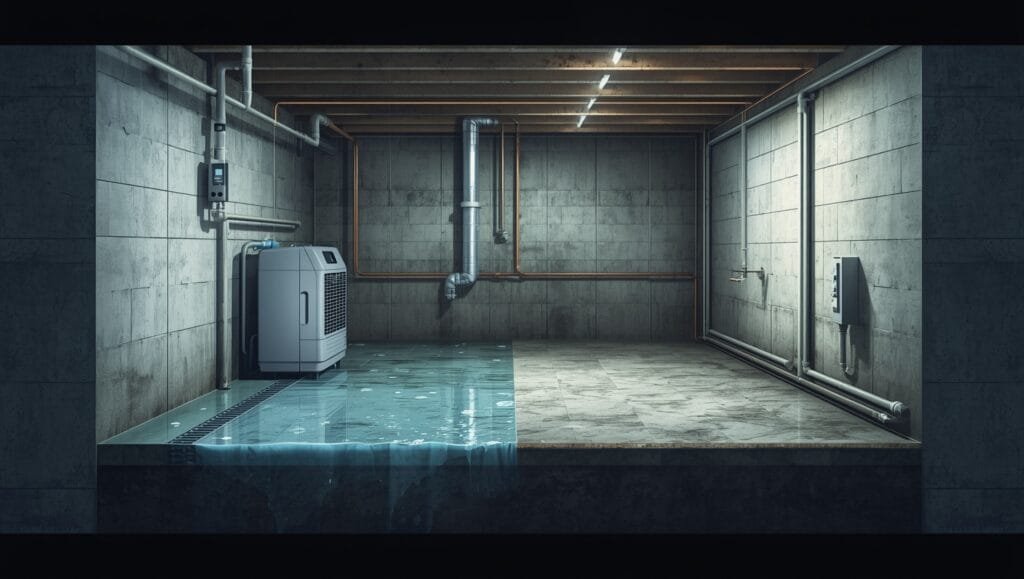
A backed-up basement floor drain means sewage, contaminated water, or stormwater is sitting in your foundation instead of flowing out where it belongs.
This isn’t a problem you can ignore or patch with a quick YouTube fix.
The cost of waiting?
Mold growth, structural damage to your foundation, ruined belongings, and repair bills that can easily exceed $10,000—sometimes much more.
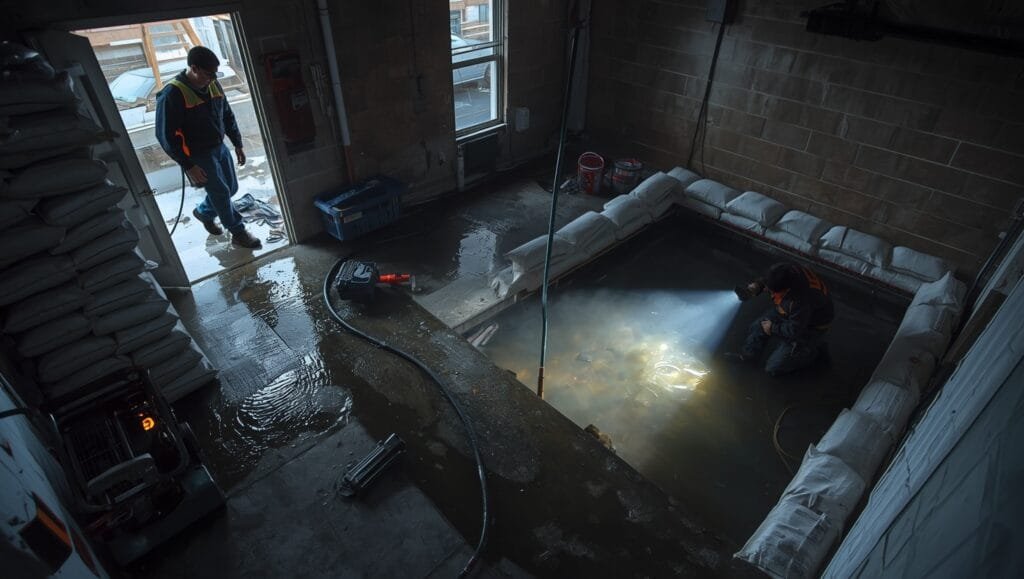
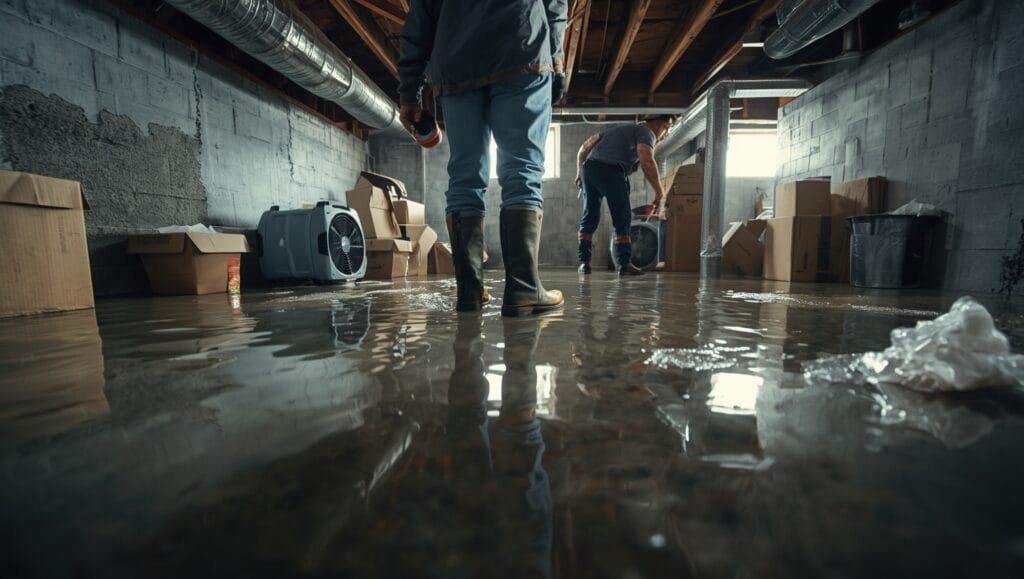
One Rochester homeowner called Healthy Spaces after discovering standing water in their finished basement.
They’d waited three days hoping it would drain on its own.
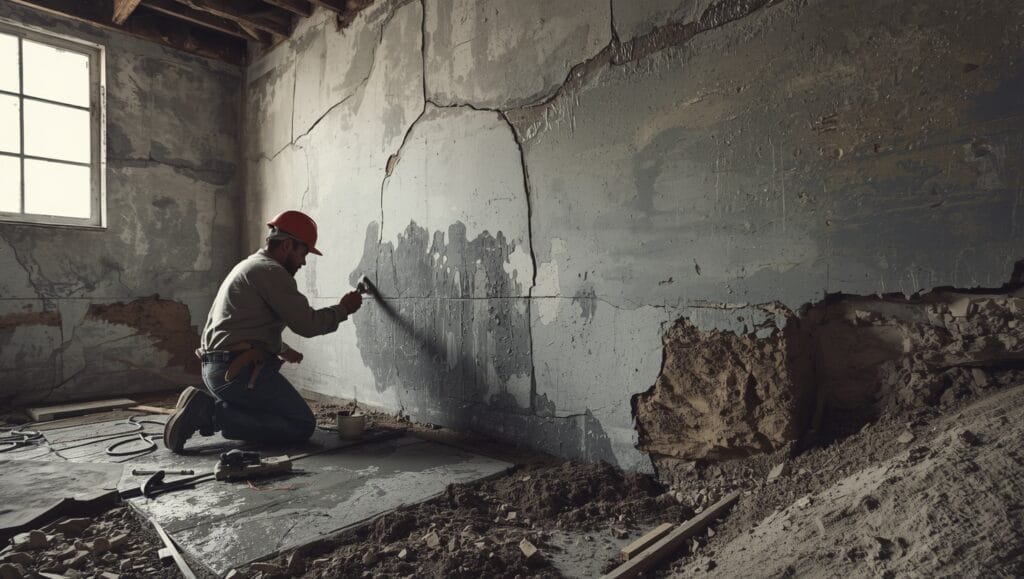
By the time Mark and his team arrived, mold was already colonizing the drywall, and the concrete foundation was beginning to show cracks from hydrostatic pressure.
The repair bill—$18,500.
If they’d called within the first 12 hours, the cost would’ve been under $3,000.
That’s the difference between acting fast and acting late.
What Causes a Basement Floor Drain to Back Up in the First Place?
Your basement floor drain sits at the lowest point in your foundation for a reason—it’s designed to catch water and route it away from your structure.
But when it backs up, something’s blocking that path.
Here are the most common culprits:
Clogs from Sediment and Debris
Dirt, clay, sand, and mineral buildup accumulate in drain pipes over time—especially in older homes.
These materials settle in the line and create a blockage that gets worse with each rainfall or water event.
You can’t see it happening, but it’s there, slowly choking the drain until water has nowhere to go.
In Rochester’s older neighborhoods, this is one of the most common reasons we get called out.
Homes built before the 1980s often have drain systems that weren’t designed to handle modern water volumes.
Tree Roots Infiltrating the Line
If your home has large trees near the foundation—and most do—their roots are hunting for water sources.
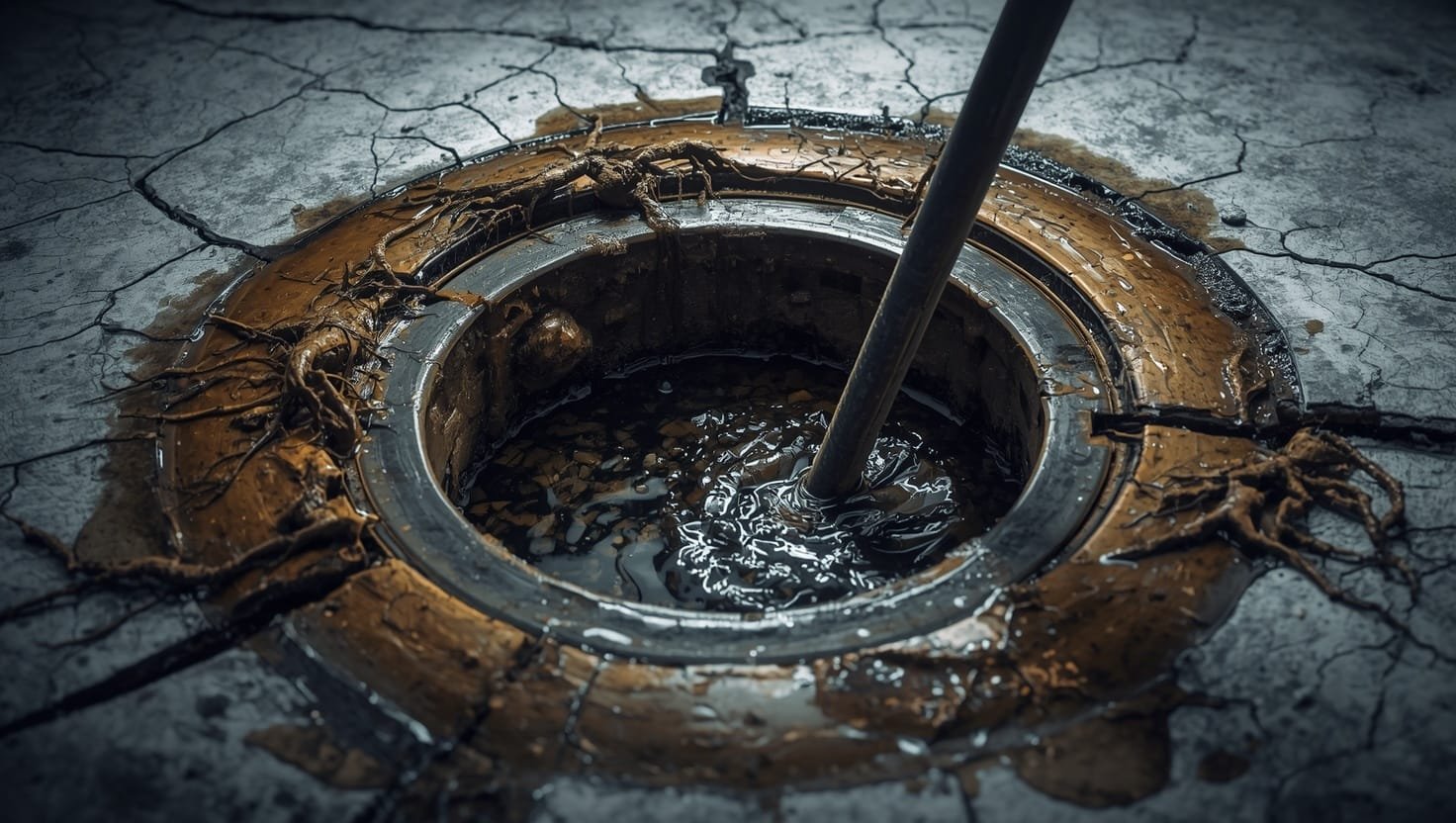
They’ll find your drain pipes and work their way inside, creating cracks and blockages.
Once roots get in, they spread fast and damage the entire line.
This is a structural problem, not just a clog.
Pipe Damage and Deterioration
Concrete pipes crack over decades.
Cast iron corrodes and collapses.
When your drain pipe fails internally, soil and sediment pour into the break, and the system backs up.
If your basement drain was installed 30+ years ago, this is probably already happening—you just don’t know it yet.
Improper Grading or Drainage Design
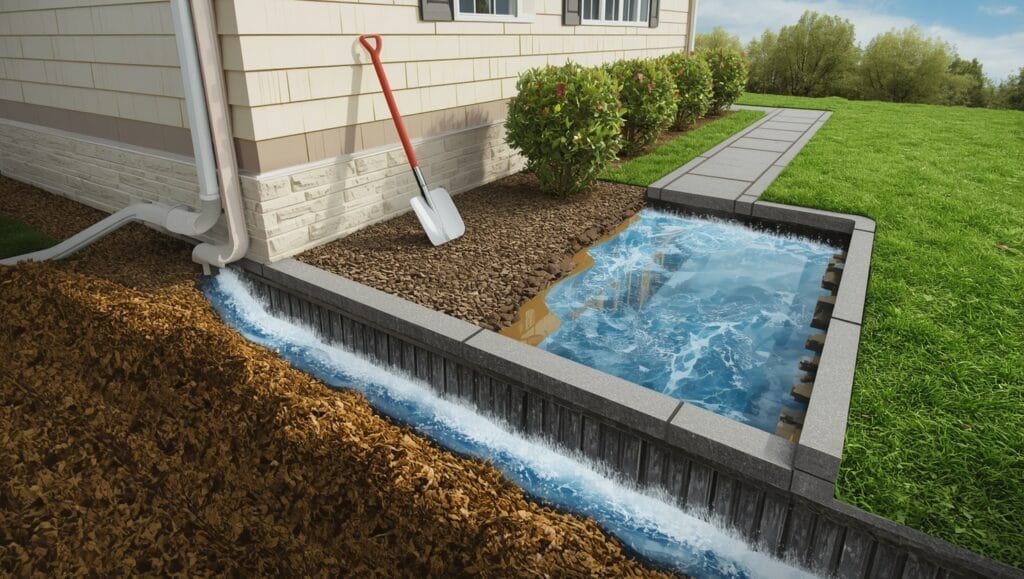
Sometimes the drain itself is fine, but water’s flowing toward your foundation instead of away from it.
This happens when the ground around your home slopes the wrong direction or when gutters dump water too close to the foundation.
The drain gets overwhelmed and backs up because it can’t handle the volume.
City Sewer Line Issues
Your basement floor drain connects to either a septic system or the municipal sewer line.
If the city’s main sewer is backed up—especially during heavy rain—that backup flows directly into your basement.
You can’t fix this yourself, but you need to know it’s happening so you can act.
Bottom line: Most backups are caused by clogs, tree roots, or failing pipes—all fixable if caught early.
Why Time Is Everything When Your Basement Floor Drain Is Backing Up
People often think a backed-up drain is just an inconvenience—something to deal with when they get around to it.
That mindset costs them thousands.
Here’s what happens in the first 24 hours:
Water sits in your basement, pressure builds against your foundation, and moisture starts wicking into concrete and soil around the breach.
By hour 48, mold spores—which are everywhere in nature—find the moisture they need and start colonizing your surfaces.
Mold doesn’t ask permission or follow a schedule.
It grows exponentially, and once it’s in your drywall, insulation, or framing, removal becomes exponentially more expensive.
A mold remediation project in a finished basement can run $5,000 to $15,000 depending on how much material needs to be removed and replaced.
That’s on top of whatever you’re paying to fix the drain itself.
The longer water sits, the more it damages your foundation’s structural integrity.
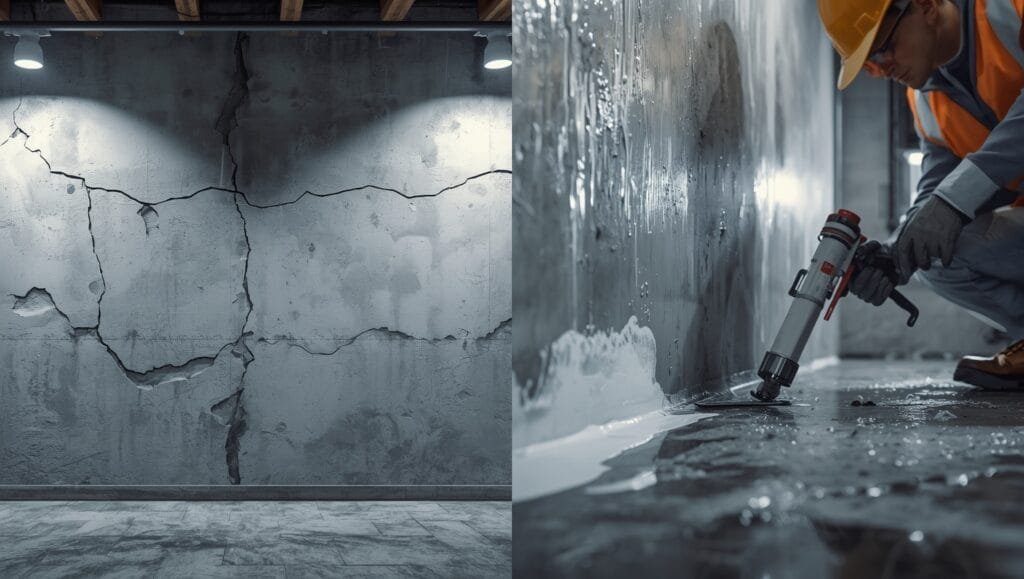
Concrete is porous—water penetrates it, freezes in winter, expands, and creates hairline cracks.
Those cracks become larger cracks.
Larger cracks become structural failures.
We’ve seen basements where a simple drain cleaning would’ve cost $800 turn into $40,000 foundation repair jobs because the homeowner waited six months.
Your belongings are at risk too.
Boxes, furniture, memories—all of it’s vulnerable to water and mold.
And your health matters.
Mold spores affect respiratory systems, trigger allergies, and create serious problems for anyone with asthma or compromised immunity.
If you’ve got kids or elderly family members in the house, the stakes are even higher.
Bottom line: Every day you wait doubles the potential damage and cost of repairs.
The Immediate Signs Your Basement Floor Drain Is About to Back Up (Before It Gets Worse)
Most people don’t notice a backed-up drain until water’s pooling visibly on the floor.
But there are warning signs before that happens—and catching them saves you a fortune.
Slow Drainage or Gurgling Sounds
If water’s draining slowly from your floor drain or you hear gurgling sounds coming from the pipe, that’s a partial blockage signaling a full backup is coming.
Don’t wait for it to get worse.
This is your window to act cheap and easy.
Wet Spots Around the Drain Area
Moisture appearing on the basement floor near the drain—even if no standing water is visible yet—means the system’s struggling.
Water’s finding alternate paths out of the pipe.
Odors Coming from the Drain
Foul smells from your basement drain mean waste is backing up and sitting in the line.
That’s not just gross—it’s a health hazard and a clear signal that the blockage is serious.
Multiple Drains Acting Slow
If your shower, toilet, or laundry drain is also slow—and your basement floor drain is sluggish—the problem’s likely in your main line, not just the floor drain.
This is a bigger issue that needs professional diagnosis.
Mold or Mildew Smell in the Basement
Even without visible water, a musty smell means moisture is present and mold is growing somewhere.
A backed-up drain is often the source.
Bottom line: Slow drains and odors are your early warning system—act on them immediately.
What Happens Inside Your Basement When the Floor Drain Backs Up
Let’s talk about what’s actually going on beneath the surface when water backs up into your basement.
Understanding the mechanics helps you grasp why this is serious.
Your basement floor drain is typically connected to a sump pump system, a municipal sewer line, or a septic system—depending on your home’s age and location.
When it backs up, the path that water’s supposed to travel gets blocked.
Pressure builds behind the blockage.
Water starts looking for alternative exits—and it finds them through cracks in your foundation, around pipe penetrations, or through the floor itself.
Hydrostatic pressure—the force of water pushing against your foundation walls—increases with every inch of standing water.
This pressure can crack concrete, push water through walls, and destabilize the entire structure if it persists.
We’ve seen basement walls bow inward because homeowners ignored backed-up drains for weeks.
That’s not just cosmetic damage—that’s a structural emergency.
Meanwhile, the water sitting in your basement is doing invisible damage.
It’s wicking into concrete, soaking into wood framing if any’s exposed, and creating the perfect environment for mold and mildew.
Mold growth accelerates in moisture—especially in basements where air circulation is limited.
The longer the water sits, the more extensive the mold colonization becomes.
And yeah, mold’s a beast once it takes hold.
It’s not just the visible growth you see on surfaces—mold sends spores throughout your home’s air system, affecting air quality and creating health risks for everyone living there.
If your basement drain is backed up and connected to your main sewer line, you’re also dealing with sewage backup—which carries serious pathogens and contaminants.
This isn’t just gross; it’s a biohazard.
Contact with sewage water can cause serious infections and illnesses.
Bottom line: Backed-up drains create cascading damage—structural, biological, and financial—that multiplies over time.
Why DIY Fixes Usually Make Things Worse
The internet is full of “quick fixes” for backed-up drains—plungers, chemical drain cleaners, renting a snake, pouring boiling water down the line.
Some of these might work if you’ve got a simple clog close to the drain opening.
But most of the time, they’re temporary patches that hide a bigger problem.
Chemical drain cleaners are particularly dangerous.
They’re caustic, they can damage older pipes, and they often fail to dissolve serious blockages.
You end up with toxic chemicals sitting in your drain line (and potentially in your groundwater), and the blockage’s still there.
Renting a drain snake might help if the clog is close to the opening, but if the problem’s a collapsed pipe, tree root infiltration, or sediment buildup deep in the line, a snake won’t solve it—and you might even damage the pipe more.
The real issue is diagnosis.
You can’t see what’s causing the backup without proper equipment.
Is it a clog, tree roots, a broken pipe, or a design issue?
Without knowing the actual cause, any fix you attempt is just guessing.
Mark and his team at Healthy Spaces use video camera inspection to see exactly what’s happening inside your drain line.
That diagnosis takes the guessing out of the equation.
Once you know what you’re dealing with, the fix is straightforward and permanent.
Trying to fix it yourself first often means paying twice—once for the failed DIY attempt and again for the professional repair that should’ve been done initially.
Bottom line: DIY fixes mask problems; professional diagnosis solves them permanently.
The Real Cost of Ignoring a Basement Floor Drain Backing Up
Let’s talk numbers because numbers make this real.
A professional drain cleaning or simple clog removal typically costs $300 to $800.
That’s if you call immediately when you notice the problem.
Wait a week?
If it’s a collapsed pipe or serious root infiltration, you’re looking at $2,000 to $5,000 for repair or replacement.
Wait two weeks, and mold’s growing.
Add $5,000 to $15,000 for mold remediation.
Wait a month, and your foundation’s compromised.
Foundation repair in Rochester ranges from $10,000 to $50,000 depending on the extent of damage.
That’s not including the cost to repair finished basement spaces, replace damaged belongings, or address any health issues that developed from mold exposure.
We’ve worked with homeowners who ignored a backed-up drain for three months and ended up with a total repair bill exceeding $75,000.
The original problem could’ve been fixed for under $1,000.
Insurance rarely covers basement water damage from failed drainage systems, so you’re paying out of pocket.
There’s also the intangible cost—stress, health concerns, displacement while repairs happen, and the emotional toll of watching your space deteriorate.
That stuff doesn’t show up on an invoice, but it’s real.
Bottom line: Act in the first 24 hours and spend hundreds; wait and spend tens of thousands.
Your Basement Floor Drain Is Still Backing Up—Here’s What You Need to Know Before It Destroys Your Home
You ignored the warning signs.
Maybe you heard the gurgling and thought it’d pass.
Maybe you saw a wet spot and figured it was just condensation.
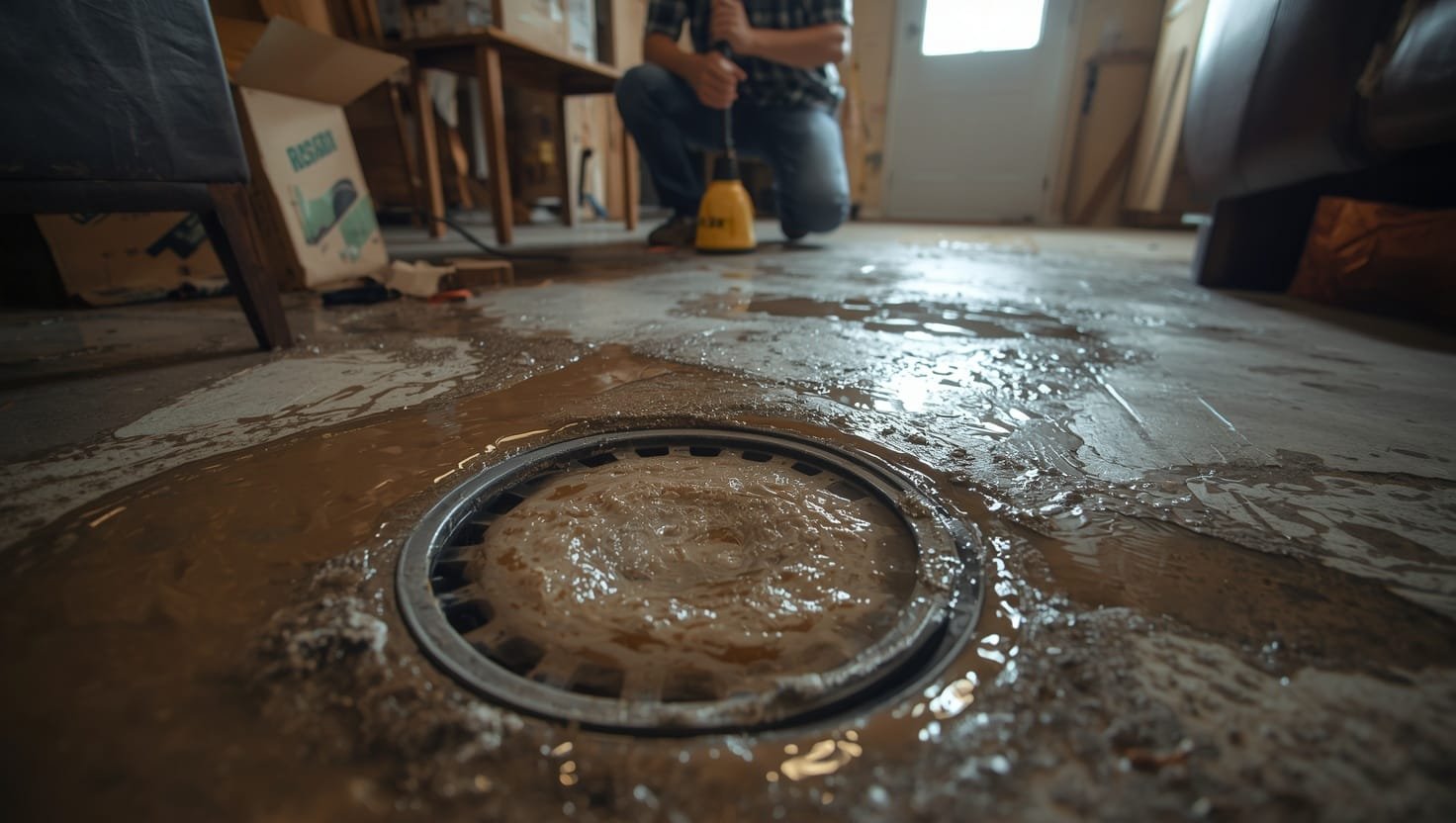
Now water’s pooling on your basement floor, and you’re realizing this isn’t something a plunger or a YouTube video can fix.
A basement floor drain backing up isn’t just a plumbing issue—it’s your foundation sending an SOS.
And if you don’t act now, you’re looking at thousands in damage that could’ve been prevented with a single phone call.
The question isn’t whether you can afford to fix it.
It’s whether you can afford not to.
What Professional Drain Inspection Actually Reveals (And Why Your Plumber Probably Missed It)
Most people call their local plumber when they notice a backed-up basement floor drain.
The plumber comes out, snakes the line, maybe charges $200 to $400, and tells you it’s fixed.
Six months later?
Same problem.
Water’s pooling again.
This happens because your average plumber doesn’t diagnose the problem—they just clear the immediate clog.
It’s like putting a band-aid on a bullet wound.
A real diagnosis requires video camera inspection, and that’s where most plumbers stop short.
Mark Frillici and the team at Healthy Spaces use advanced video technology to see exactly what’s happening inside your drain line.
The camera shows everything.
Cracks in the pipe.
Tree roots pushing through the walls.
Sediment buildup that’s choking the line.
Collapsed sections where the pipe has literally given up.
One Rochester homeowner thought they just had a simple clog when they called Healthy Spaces.
The video inspection revealed tree roots had infiltrated the line in three separate locations, and the pipe was cracked in two places.
A basic snake would’ve pushed debris around temporarily.
The real fix required pipe repair and root removal—but at least now they knew what they were paying for instead of guessing.
Without this level of inspection, you’re flying blind.
You don’t know if you’re dealing with a $500 fix or a $5,000 one.
You don’t know if the problem’s going to come back next week or next month.
Bottom line: Video inspection reveals the actual problem; guessing just wastes time and money.
How Professionals Actually Fix a Basement Floor Drain Backing Up (Not the Band-Aid Version)
Once you know what’s causing the backup, the fix becomes straightforward.
But the approach matters.
Different problems need different solutions.
For Simple Clogs and Sediment Buildup
If the inspection shows accumulated sediment, dirt, or mineral deposits without pipe damage, hydro-jetting is often the answer.
This isn’t your standard drain snake.
Hydro-jetting uses high-pressure water to blast through blockages and clean the entire interior of the pipe.
It’s effective, it’s non-invasive, and it usually costs $400 to $800.
The catch?
It only works if the pipe itself is still intact.
If there are cracks or breaks, high pressure can make things worse.
That’s why diagnosis comes first.
For Tree Root Infiltration
Tree roots inside your drain line are a different animal entirely.
You can’t just blast them out with water and expect them to stay gone.
Roots come back.
They’re persistent, they grow fast, and they’re attracted to the moisture your drain provides.
The real fix involves either removing the roots mechanically and treating the line with root-inhibiting chemicals, or replacing the damaged section of pipe entirely.
Sometimes a combination of both.
A Rochester homeowner with significant root infiltration opted for pipe replacement in the affected section.
It cost more upfront—around $3,500—but eliminated the problem permanently instead of buying themselves six more months before it happened again.
Root treatment alone would’ve been cheaper short-term but temporary.
Bottom line: Tree roots need permanent solutions, not temporary patches that delay the inevitable.
For Cracked or Collapsed Pipes
When the video shows cracks, breaks, or sections where the pipe has partially or fully collapsed, you’re looking at pipe repair or replacement.
There’s no way around it.
Modern trenchless pipe repair technology has made this less invasive than it used to be—no need to excavate your entire yard in most cases.
Epoxy pipe coating can seal small cracks and extend the life of damaged pipes, typically running $1,500 to $3,000.
Full pipe replacement is more expensive—$2,500 to $6,000 depending on the length and accessibility—but it gives you 50+ years of peace of mind instead of a temporary patch.
The decision comes down to the extent of the damage and your long-term plans for the house.
If you’re planning to stay, replacement makes sense.
If you’re selling in the next few years, repair might be the practical choice.
Bottom line: Collapsed pipes need replacement; cracks can sometimes be sealed, but only professionals can determine which applies to you.
The Sump Pump Factor—Why Your Basement Drain Needs One (And What Happens When It Doesn’t)
A lot of older homes in Rochester have basement floor drains that aren’t connected to a sump pump system.
The drain just sits there, relying on gravity and the municipal sewer line to carry water away.
This works fine until it doesn’t.
When heavy rain hits, groundwater rises, or the sewer system backs up, that drain becomes a one-way entrance for water into your basement instead of an exit.
A sump pump changes the equation.
It sits in a basin beneath your basement floor, collects water from the drain, and actively pumps it away from your foundation—either to the surface or to the municipal storm drain.
It’s insurance against a backed-up basement floor drain.
One homeowner in Rochester had water pooling around their basement floor drain every time it rained.
The drain itself was fine—no clogs, no damage.
The problem was that the drain had no pump, and during heavy rainfall, water was entering faster than gravity could move it away.
Installing a sump pump system solved it completely.
Cost was around $2,000, but it saved them from repeated water intrusion and the mold problems that come with it.
Not every basement needs a sump pump, but if you’re experiencing repeated water backup around your floor drain, it’s worth considering.
Sometimes the drain itself is fine—the system just needs help moving water faster than nature allows.
Bottom line: Sump pumps prevent backups by actively moving water away instead of relying on gravity alone.
Preventive Maintenance—The One Thing That Stops Basement Floor Drain Backups Before They Start
Here’s what most homeowners don’t understand: you can prevent a basement floor drain from backing up.
You don’t have to wait for water to pool on your floor before taking action.
Preventive maintenance isn’t glamorous, but it saves thousands.
Annual Drain Inspections
If your basement drain is more than 10 years old, get it inspected at least once a year.
A video inspection takes about 30 minutes and costs $150 to $250.
It catches problems early—before they become emergencies.
Sediment buildup that would cost $500 to clear with hydro-jetting today could cost $3,000 to fix with pipe replacement if you wait two years.
The math is simple: spend a little now or spend a lot later.
Keeping Trees Away from Your Foundation
If you’ve got large trees near your foundation, monitor them.
Tree roots don’t respect property lines or the systems buried underground.
Trimming roots back and keeping trees at a safe distance reduces the risk of infiltration.
It’s not foolproof, but it helps.
For trees that are already established and close to your foundation, talk to an arborist about root barriers—physical barriers that guide roots away from your drain lines.
Proper Grading and Gutter Management
Water should flow away from your foundation, not toward it.
Check your yard’s grading—the slope of the ground around your house.
It should slope downward and away from the foundation on all sides.
Also make sure your gutters and downspouts are dumping water at least 6 feet away from the foundation.
Gutters pouring water directly next to your foundation force your drain system to work overtime, which accelerates wear and increases the risk of backup.
Bottom line: Prevention costs hundreds; emergency repairs cost tens of thousands.
When Your City’s Sewer System Is the Problem (What You Can Actually Do About It)
Sometimes your basement floor drain backs up and there’s nothing wrong with your drain.
The problem is the municipal sewer line.
Cities sometimes experience sewer backups during heavy rain, seasonal flooding, or when aging infrastructure fails.
When this happens, sewage and stormwater back up into connected properties—including your basement.
You can’t fix the city’s sewer system yourself, but you can protect your property.
Backwater Valves
A backwater valve is a one-way gate installed in your drain line.
Water flows out toward the sewer, but if sewage tries to flow backward into your basement, the valve shuts automatically.
It’s a simple mechanical fix that costs $800 to $1,500 to install and it literally stops sewage backup cold.
If you live in an area prone to sewer backups, this is non-negotiable.
One Rochester homeowner experienced repeated sewage backups during spring thaw when the municipal system was overwhelmed.
After installing a backwater valve, the problem stopped completely.
No more water in the basement, no more contamination risk, no more stress.
Check with Your City
Some municipalities offer cost-sharing programs or rebates for homeowners who install backwater valves.
It’s worth calling your local public works department to ask.
You might get a chunk of the cost covered.
Bottom line: Backwater valves stop city sewer backups from entering your basement—the only real defense against municipal system failures.
The Aftermath: What to Do If Water Already Backed Up Into Your Basement
If you’re reading this and water’s already in your basement, the drain problem is just one part of what you’re dealing with.
You’ve got water damage, potential mold growth, and contamination risk depending on what kind of water backed up.
The order of operations matters.
Step One: Stop the Source
First priority is fixing the basement floor drain backing up so no more water enters.
Get a professional out to diagnose and stop the leak.
This isn’t something to DIY at this stage—you need the problem fixed fast and right.
Step Two: Remove the Water
Once the source is stopped, water needs to come out.
Submersible pumps and wet/dry vacuums can remove standing water, but if there’s a lot of it or if it’s contaminated (sewage backup), bring in professionals.
They have industrial equipment and know how to handle contaminated water safely.
Step Three: Dry Everything Out
After water removal, drying is critical.
Moisture left in concrete, drywall, or wood leads to mold growth within 48 hours.
Industrial dehumidifiers and air movers pull moisture out of materials and air.
This is not optional if you want to prevent mold.
Step Four: Assess for Mold and Contamination
If the water that backed up was sewage or contaminated stormwater, you need professional assessment.
Sewage contamination creates serious health risks and requires specialized remediation.
Even clean water can support mold growth if materials stay damp for more than a couple of days.
A professional mold inspection identifies hidden moisture and early mold growth before it becomes a major problem.
Bottom line: Fix the drain, remove water, dry everything, then assess for mold—in that order, with professionals handling the wet part.
Frequently Asked Questions About Basement Floor Drain Backups
How long does it take for mold to grow after a basement floor drain backs up?
Mold spores can colonize surfaces within 24-48 hours if moisture is present and temperatures are between 60-80°F—which describes most basements perfectly.
Speed matters here.
Can I use a chemical drain cleaner to fix a backed-up basement floor drain?
Chemical cleaners might clear a simple surface clog, but they won’t solve tree root infiltration, pipe damage, or sediment buildup deep in the line.
They’re also caustic and can damage older pipes—skip them and go straight to professional diagnosis.
What’s the difference between a floor drain and a sump pump?
A floor drain is passive—it just sits there and relies on gravity to move water away.
A sump pump is active—it collects water and actively pumps it away from your foundation.
You can have both, and if you’re experiencing repeated backup, you probably need both.
How much does it cost to fix a basement floor drain backing up?
Simple clogs: $300-$800. Tree root removal: $1,500-$3,500. Pipe repair: $1,500-$3,000. Pipe replacement: $2,500-$6,000. Mold remediation (if water sat too long): $5,000-$15,000. The cost depends entirely on how long you wait.
Will homeowner’s insurance cover a backed-up basement floor drain?
Most standard homeowner’s policies don’t cover water damage from failed drainage systems or sewer backup—that’s usually a separate rider you have to buy.
Check your policy or talk to your agent about adding backup coverage.
Is a backed-up basement floor drain a deal-breaker when selling a house?
It can be, depending on the buyer’s inspection and your local market.
Disclosure is required in most states, and buyers will likely demand repairs before closing.
Better to fix it before listing than deal with negotiations and buyer concerns.
What Happens Next—Your Move
You’ve got two choices right now.
You can keep ignoring the signs and hope the problem goes away.
Spoiler: it won’t.
Or you can act.
Mark Frillici and the team at Healthy Spaces have been solving basement water problems for over 20 years.
They’ve seen every variation of basement floor drain backing up—from simple clogs to complete system failures.
They’ve also seen what happens when homeowners wait too long.
Foundation cracks.
Mold colonies.
Repair bills that could’ve been prevented.
If you’re in Rochester or the surrounding area and you’re dealing with a backed-up basement floor drain, don’t guess.
Don’t try YouTube fixes.
Get a professional diagnosis.
Contact Healthy Spaces now for a video inspection and real answers about what’s happening in your drain line.
The call takes 10 minutes.
The inspection takes 30 minutes.
The peace of mind that comes with knowing exactly what you’re dealing with?
Priceless.
And it beats the stress of watching your basement fill with water and wondering how much it’s going to cost to fix.
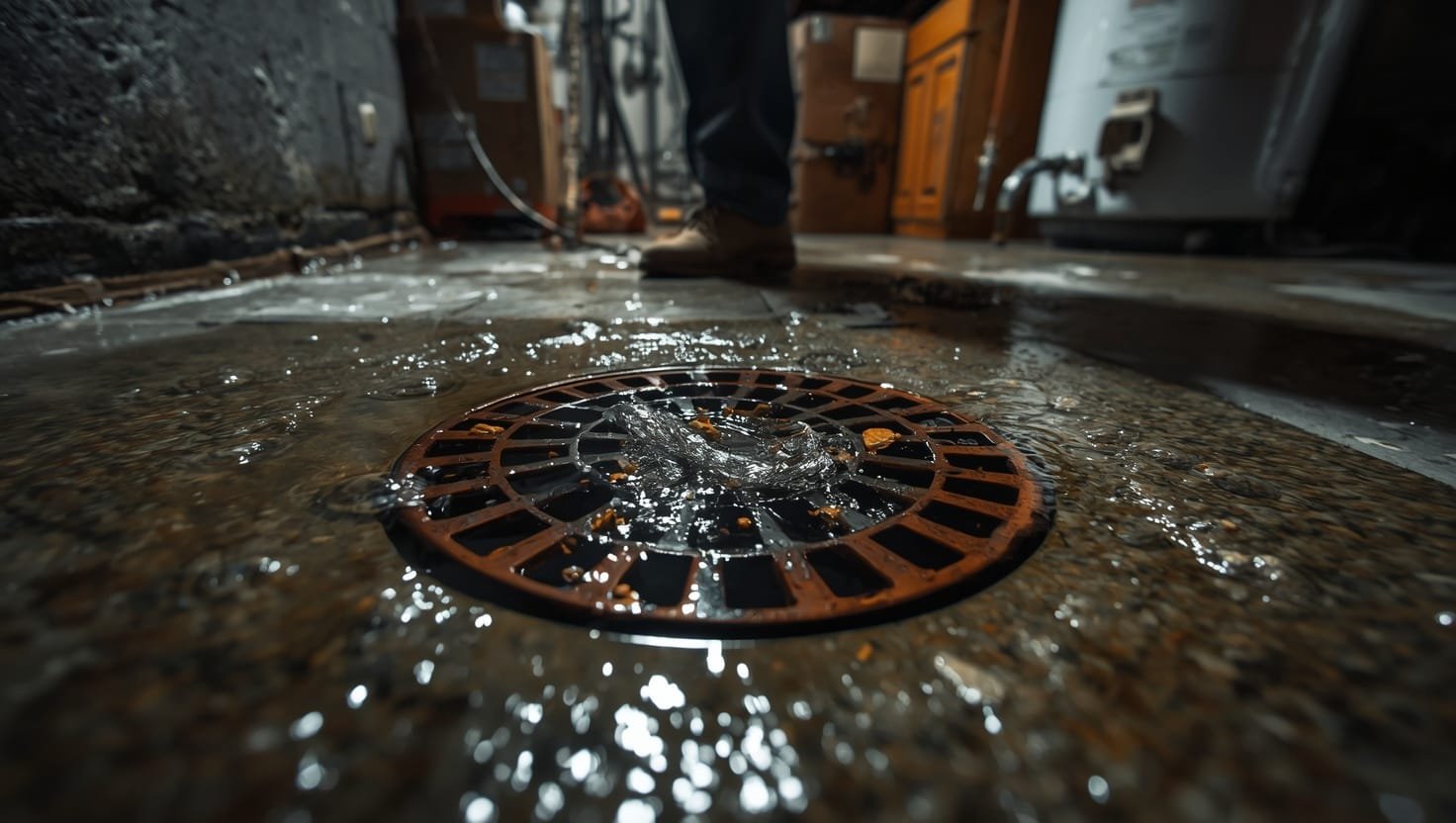
Your Basement Floor Drain Is Backing Up—But You Don’t Know It Yet
Most homeowners don’t realize their basement floor drain is failing until water’s already pooling on the concrete.
By then, you’re looking at a problem that’s been brewing for weeks or months—silently destroying your foundation while you went about your day.
The sneaky part?
A basement floor drain backing up doesn’t always announce itself with standing water.
Sometimes it whispers—slow drainage, a faint smell, a damp spot that comes and goes.
You notice it, think it’s nothing, and move on.
That’s when the real damage starts.
We’re talking about water pressure building against your foundation walls, moisture creeping into materials that should stay dry, and structural integrity getting quietly compromised.
The problem is you can’t see most of it happening.
And that’s exactly why so many Rochester homeowners end up shocked when a professional finally shows them what’s going on inside their drain pipes.
The Hidden Timeline: When Your Drain Started Failing (Before You Even Noticed)
Drain failure doesn’t happen overnight.
It’s a process—sometimes taking months or even years—before symptoms show up.
Understanding this timeline helps you grasp why catching a basement floor drain backing up early matters so much.
Months 1-3: The Silent Phase
This is when sediment starts accumulating, roots begin probing the line, or small cracks form in aging pipes.
Nothing’s visibly wrong yet.
You’re not seeing water, smelling anything weird, or noticing slow drainage.
The drain’s still technically working—it’s just working less efficiently.
But the blockage is growing.
One Rochester homeowner had no clue their drain was failing during this phase.
A routine video inspection revealed tree roots had already breached the line in two spots, and sediment was packing in behind them.
They’d been lucky—heavy rain hadn’t hit yet.
When it finally did, the backup would’ve been catastrophic.
Catching it during the silent phase meant a $2,000 fix instead of a $15,000 emergency.
Months 4-6: The Warning Signs Phase
Now you might notice something off.
Water drains slower from the floor drain after a heavy rain.
Maybe you catch a faint musty smell near the basement corner.
Perhaps the concrete feels slightly damp in spots.
These are your system’s way of saying “Hey, something’s not right here.”
Most people ignore these signals.
It’s easy to rationalize—old houses are damp anyway, right?
Wrong move.
This is the phase where a simple inspection and cleaning could prevent disaster.
But people typically wait until things get worse.
Month 7+: The Crisis Phase
Now your basement floor drain is backing up noticeably.
Water’s pooling after rain, the smell’s unmistakable, and you can’t ignore it anymore.
At this stage, mold’s probably already growing in hidden spaces.
Your foundation’s under stress from hydrostatic pressure.
And your wallet’s about to take a hit.
The $800 cleaning you could’ve done in month three is now a $5,000 repair—or worse.
Bottom line: Drain problems brew quietly for months; act during warning signs, not after crisis hits.
What’s Actually Happening Inside Your Drain Line Right Now
If you’re experiencing any signs of a basement floor drain backing up, something’s definitely going on beneath your feet.
But what exactly?
Without a camera inspection, you’re just guessing.
And guessing usually costs more money than knowing.
The Sediment Trap
Older drain systems in Rochester—especially those from the 1960s through 1980s—were built with less slope than modern codes require.
That means water moves slower, and anything suspended in that water settles out.
Sand, clay, dirt, mineral deposits—all of it collects at low points in the line.
Over years, this buildup becomes a barrier.
Water still flows, but barely.
Then one heavy rain event overwhelms the system, and suddenly your basement floor drain’s backing up for the first time.
You call a plumber.
They snake it, clear the immediate blockage, and charge you $400.
Problem solved, right?
Not even close.
The underlying sediment issue’s still there.
In six months, it happens again.
And again.
Each time you’re paying for a temporary fix instead of addressing the root cause.
A proper hydro-jetting or full line cleaning would’ve solved it permanently the first time—but most plumbers don’t go that deep unless you specifically ask for a video inspection first.
The Root Invasion Reality
Tree roots don’t care about your drain pipes.
They’re just hunting for water and nutrients.
When they find a crack in your line, they exploit it.
Roots grow into the pipe, create blockages, and damage the pipe walls themselves.
The nasty part?
Once roots get in, they keep coming back even if you clear them out.
The crack’s still there, still inviting them in.
Chemical root killers might slow growth temporarily, but they’re not a solution—they’re a band-aid on a structural problem.
A Rochester homeowner with a large oak tree near their foundation dealt with repeated root intrusion for three years.
Each time it got worse.
They finally bit the bullet and had the damaged section of pipe replaced—$3,800 total.
It fixed the problem permanently.
They wished they’d done it after the first backup instead of waiting through three years of recurring issues.
The Pipe Deterioration Trap
Concrete pipes crack from age and pressure.
Cast iron pipes corrode from the inside out.
Clay pipes—common in very old Rochester homes—become brittle and collapse under their own weight.
When the pipe fails, soil and debris pour through the break.
That debris accumulates downstream, creating a blockage.
Meanwhile, water’s escaping through the crack and saturating the soil around your foundation.
This is where your basement floor drain backing up becomes a foundation problem.
Wet soil expands, puts pressure on your foundation walls, and can cause cracks and structural damage.
A video inspection shows exactly where the pipe’s failing—then you can decide whether to repair just that section or replace the whole line.
Bottom line: Video inspection reveals the actual problem; guessing wastes money and time.
The Seasonal Spike: Why Your Drain Backs Up at Specific Times
You might’ve noticed your basement floor drain backs up more during certain seasons.
That’s not a coincidence.
It’s your drainage system reaching its breaking point under specific stress conditions.
Spring Thaw and Heavy Rain
March and April in Rochester bring snowmelt and heavy rain.
Groundwater tables rise.
Your drain system gets overwhelmed by volume.
If there’s any blockage or restriction in the line, this is when it fails.
The water has nowhere to go but back into your basement.
This is the most common time we get emergency calls for backed-up basement floor drains.
Summer Thunderstorms
A single intense downpour can dump inches of water on your roof and yard in minutes.
If your gutter system and grading aren’t perfect—and most aren’t—a lot of that water ends up near your foundation.
Your drain gets hit with more volume than it can handle.
Especially if it’s already partially blocked.
Winter Freeze Cycles
Freeze-thaw cycles are brutal on old drain pipes.
Water gets into small cracks, freezes, expands, and makes the cracks bigger.
By spring, you’ve got a significantly more damaged pipe than you did in fall.
This is why a drain that worked fine last year might fail this year.
The damage accumulates.
The Sewer Backup Season
If your basement floor drain connects to the municipal sewer system, you’re vulnerable during heavy rain events.
Cities’ sewer systems get overwhelmed.
Sewage backs up into connected properties.
That’s why some Rochester neighborhoods experience regular sewer backups during spring—it’s a systemic issue, not a property-specific one.
A backwater valve protects you from this, but it has to be installed before the backup happens.
Bottom line: Seasonal stress reveals weak drains; prevention means fixing before peak season hits.
The Real Cost of Slow Action (Beyond Just Water Damage)
You already know waiting increases repair costs.
But there’s more to it than just the drain fix itself.
A basement floor drain backing up creates a cascade of secondary problems—each one expensive, each one preventable if you act fast.
Foundation Repair Costs (The Big One)
Water pressure against your foundation isn’t just annoying—it’s structural.
Hydrostatic pressure cracks concrete, pushes water through walls, and can cause bowing or tilting.
A small crack from water pressure might seem minor.
But in Rochester’s freeze-thaw climate, that crack becomes a highway for water infiltration in winter.
It expands, other cracks form, and suddenly you’re looking at foundation repair costs that rival the price of a used car.
We’ve seen foundation repair bills reach $40,000 to $60,000 for damage that started with an ignored backed-up drain.
Mold Remediation Escalation
Mold doesn’t just grow on surfaces you can see.
It colonizes inside walls, under flooring, and in insulation.
Once it’s embedded in materials, removal means tearing out drywall, replacing insulation, treating framing—it’s invasive and expensive.
A mold remediation project that could’ve cost $3,000 if caught early balloons to $12,000 if mold’s spread through half your finished basement.
Personal Property Loss
Everything stored in your basement is at risk.
Photos, documents, furniture, keepsakes—water and mold destroy them.
Some stuff’s irreplaceable.
The financial loss is one thing; the emotional loss is another.
Health Costs You Can’t Calculate
Mold exposure affects respiratory health, triggers allergies, and creates long-term problems for kids and elderly family members.
Medical bills, lost productivity, reduced quality of life—these costs don’t show up on a contractor’s invoice, but they’re real.
Bottom line: Secondary damage costs often exceed the original drain repair by 5-10x.
The Question You Should Be Asking Right Now
If your basement floor drain is backing up—or showing any warning signs—the real question isn’t “How much will this cost?”
It’s “How much will it cost if I wait?”
Because waiting always costs more.
Always.
You can get a professional video inspection done today, understand exactly what’s happening, and make an informed decision about next steps.
Or you can wait, hope it goes away, and find out in six months that the damage has tripled.
Mark Frillici and the team at Healthy Spaces have been solving these problems for over 20 years.
They’ve seen the full spectrum—from simple clogs to complete system failures, from homeowners who called within 24 hours to those who waited until mold was visible.
The ones who act fast spend hundreds.
The ones who wait spend tens of thousands.
Contact Healthy Spaces now for a professional assessment and stop guessing about what’s happening under your basement floor.
Quick FAQ: Basement Floor Drain Backing Up
Can I tell if my basement floor drain is backing up without standing water?
Yes—slow drainage, gurgling sounds, musty smells, and damp spots near the drain are all early warning signs that backup’s coming.
Is a backed-up basement floor drain always a plumbing problem?
Not always—sometimes it’s a grading issue, gutter problem, or design flaw that’s overwhelming your drainage system.
That’s why diagnosis matters before you start throwing money at fixes.
How quickly does mold grow after water backs up into a basement?
Mold can colonize within 24-48 hours if moisture and temperatures are right—basements hit that sweet spot perfectly.
Will my homeowner’s insurance cover a backed-up basement floor drain?
Standard policies usually don’t—you need a specific water backup rider or endorsement.
Check your policy now instead of finding out later.
What’s the difference between a video inspection and a traditional plumber’s snake?
A snake clears blockages; a camera shows you why the blockage happened and what else might be wrong with the pipe.
One solves the problem; the other just masks it temporarily.