Contact Us For a Free Qoute
Water Leaking Into Basement After Heavy Rain? Fix It
$47,000 in Damage. That’s What One Rochester Homeowner Paid Because Water Leaking Into Basement After Heavy Rain Went Unaddressed for Just 72 Hours.
It happens fast. A thunderstorm rolls through, the rain hammers your gutters, and by morning you’re staring at puddles creeping across your basement floor. Your stomach sinks because you know what comes next—and it’s not cheap.
Water leaking into basement after heavy rain is one of the most common (and most preventable) disasters homeowners face. Yet most people don’t act until the damage is already done. The real kicker? By that point, you’re not just dealing with water. You’re dealing with structural damage, mold growth, ruined belongings, and repair bills that could’ve been cut in half with early intervention.
This isn’t meant to scare you—it’s meant to wake you up to what’s actually happening in your basement right now.
Why Water Gets Into Your Basement During Heavy Rain (And Why It Happens to “Good” Homes)
Your basement isn’t dry by accident. It’s dry because of systems working behind the scenes. When those systems fail—or were never built properly—water finds its way in. And yeah, heavy rain is the trigger, but it’s not the root cause.
The Drainage Problem Nobody Talks About
Most basements leak because water can’t escape your foundation fast enough. Here’s what’s actually happening:
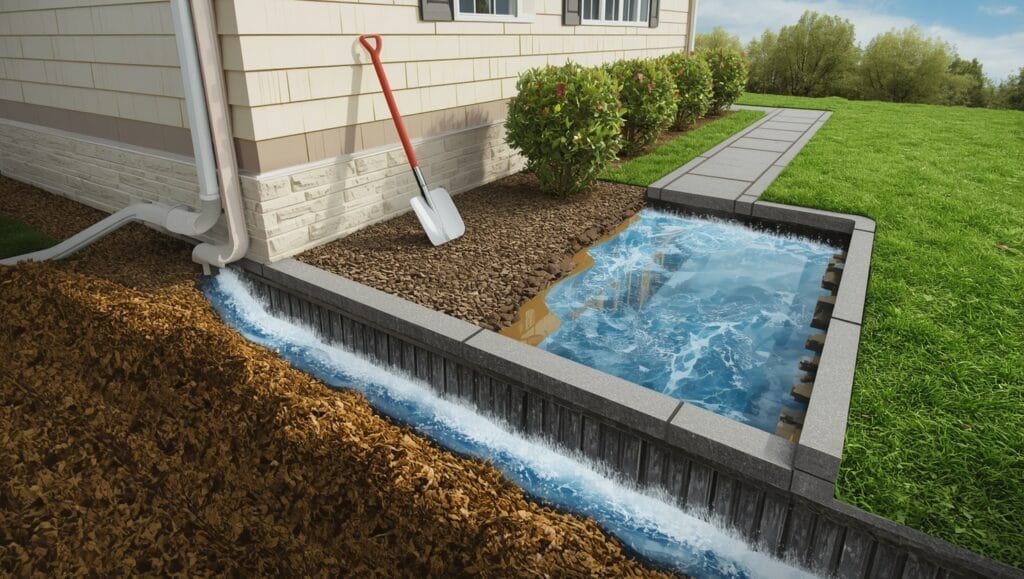
Rain falls on your roof. It runs down your gutters and downspouts. If those downspouts dump water right next to your foundation (instead of 4-6 feet away), that water sits there. It pools. It seeps through cracks in your foundation walls. It pools some more in your basement.
One homeowner in Rochester called us after discovering 8 inches of standing water in her finished basement. New carpet, drywall, everything—soaked. When Mark Frillici and the team inspected the foundation, they found the downspouts were literally pouring water directly against the foundation. The fix? Extend the downspouts 6 feet away and install proper drainage. Cost: $3,200. Damage prevented: over $40,000. Time to act: three days before the next storm.
Bottom line: Poor drainage around your foundation is the #1 culprit behind water leaking into basement after heavy rain.
Foundation Cracks—The Silent Invaders
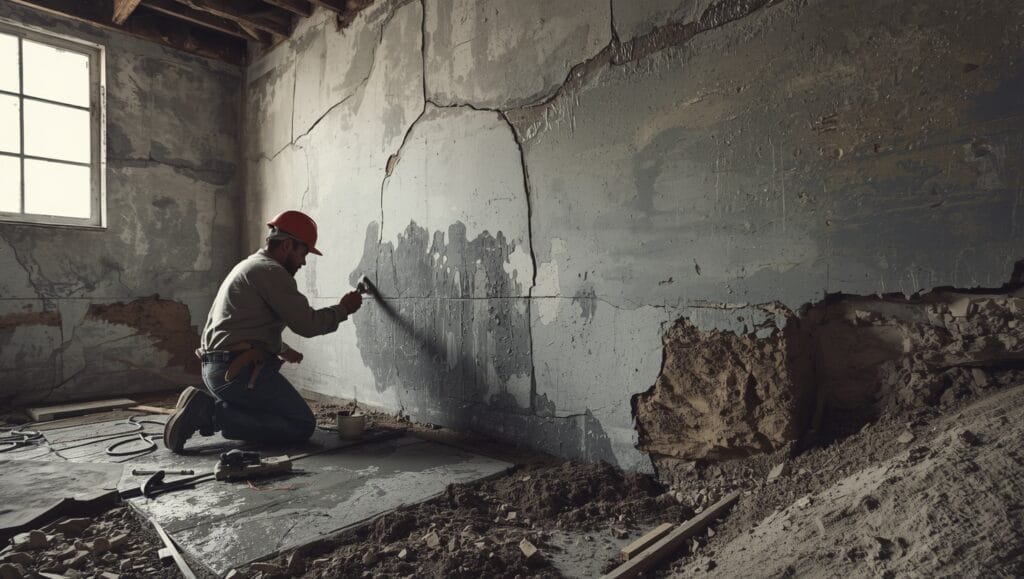
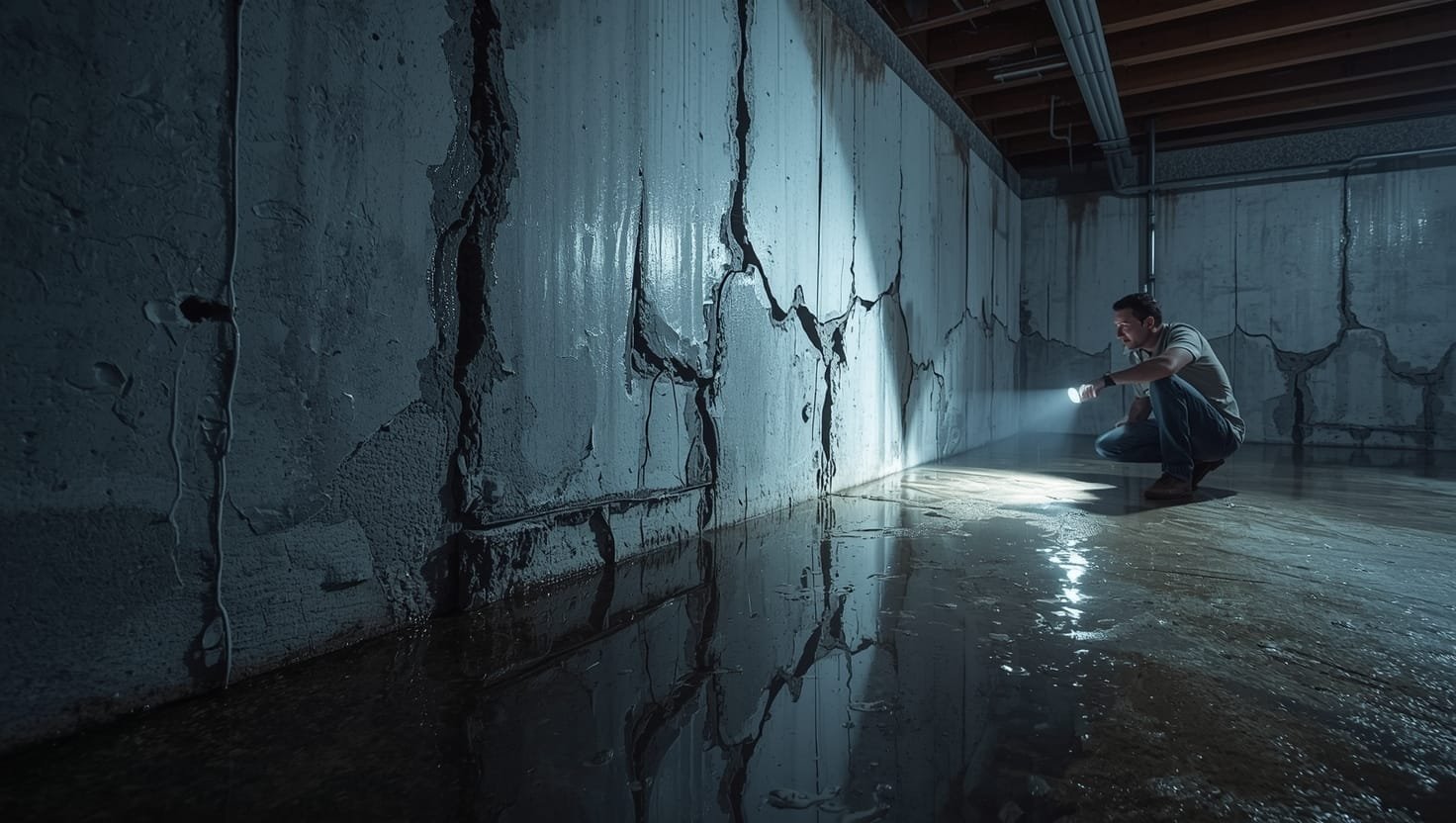
Even hairline cracks in your foundation walls are highways for water. You can’t see them. You might not even feel them. But when hydrostatic pressure builds up during heavy rain, water finds those cracks and pushes through with force.
Not all cracks are equal. Some are structural (bad). Some are just cosmetic (still bad if water gets through). The problem is most homeowners can’t tell the difference without a trained eye.
Cracks form because of settling, freeze-thaw cycles, poor initial construction, or soil movement around your property. Once they’re there, they’re pathways for water—and eventually, mold.
Bottom line: Foundation cracks are water entry points that grow worse with every heavy rain cycle.
Sump Pump Failure (Or No Sump Pump at All)
You’d think every basement would have a sump pump. They don’t. And if yours does, it might not be doing its job.
A sump pump sits in a sump pit and collects groundwater that seeps up from below. When water levels rise, the pump kicks on and pushes that water away from your foundation. Simple system. Critical function.
Here’s where it breaks down: pumps fail. Batteries die. Check valves get stuck. Discharge lines freeze or get clogged. And if you’ve never had one installed—well, you’re basically waiting for heavy rain to remind you that you need one.
We’ve seen basements flood because the homeowner’s sump pump stopped working three months prior. They had no idea. The first sign? Water pooling after a storm.
Bottom line: A missing or broken sump pump turns heavy rain into a basement flooding emergency.
The 48-Hour Window: Why Speed Matters When Water Leaking Into Basement After Heavy Rain
Once water enters your basement, a clock starts ticking. Not metaphorically—literally.
Mold can begin growing within 24-48 hours of exposure to moisture. Structural materials start breaking down. Drywall absorbs water like a sponge. Wood rots. Insulation loses its R-value. And if you have finished spaces down there—flooring, furniture, electronics—they’re getting destroyed in real time.
The longer you wait, the more you pay.
What Happens in Hour 1-6
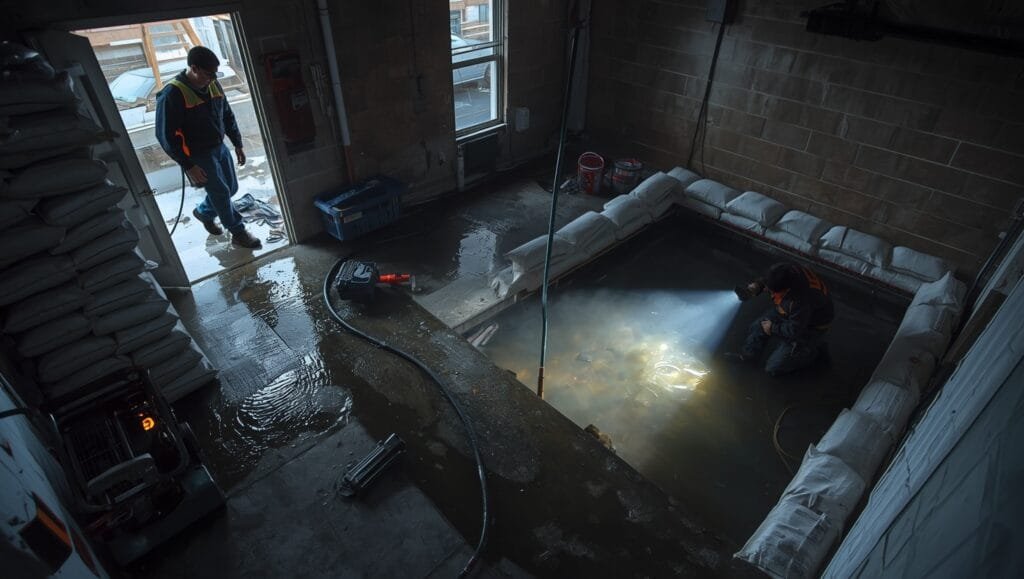
Water is still pooling. It’s spreading across your floor. If you have electrical outlets or equipment down there, they’re at risk. This is your window to act—pull out what you can, get the water moving, and call a professional.
Bottom line: First 6 hours are your best shot at damage control.
What Happens in Hour 6-24
Water is soaking into materials. Drywall is absorbing moisture. Carpet padding is wet through. If you have concrete, it’s not just wet on top—water’s wicking up through the pores. Mold spores are already settling in and looking for a foothold.
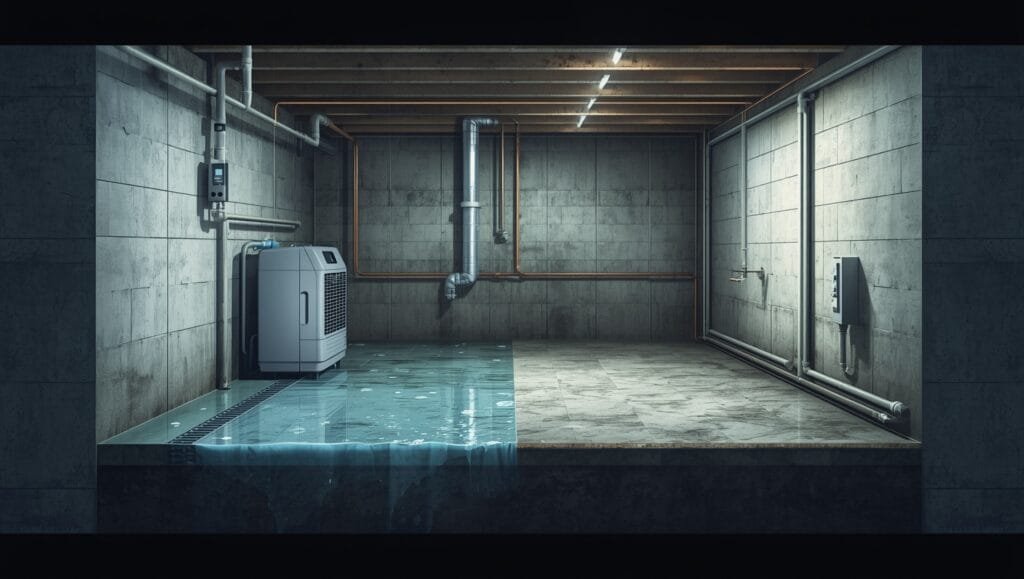
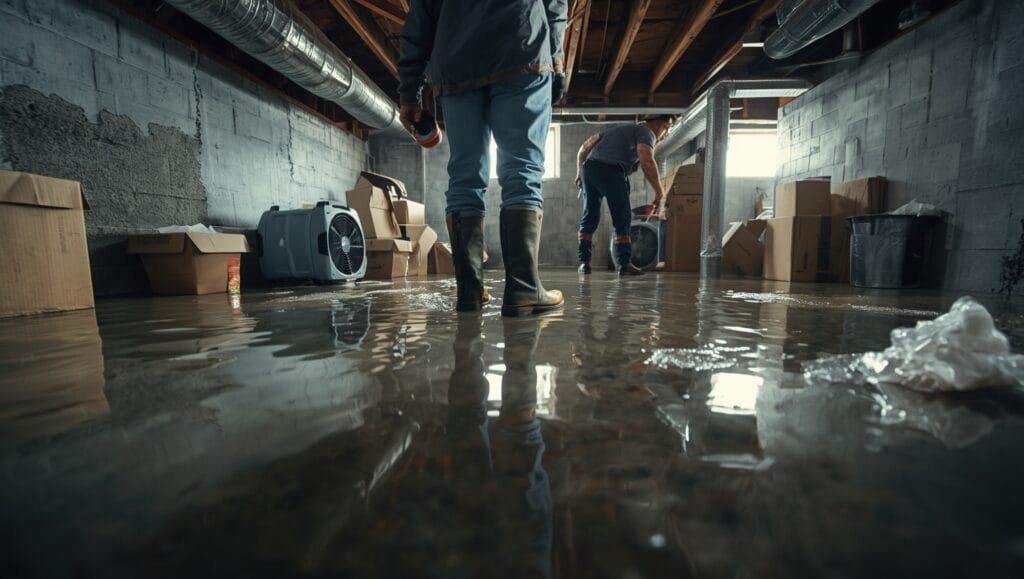
This is when you need industrial-grade dehumidifiers and air movers running. Not a shop fan from your garage—real equipment.
What Happens in Hour 24-48
Mold is actively growing. Structural wood is starting to weaken. Drywall is beginning to fail. If you’ve got insulation, it’s compromised. The smell—that musty, sour odor—is already setting in.
At this point, you’re not just drying things out. You’re in remediation mode. And that costs way more.
Bottom line: Every hour past 24 multiplies your repair costs and health risks exponentially.
Real Numbers: What Water Leaking Into Basement After Heavy Rain Actually Costs
Let’s talk money because this is where people get shocked.
A minor water intrusion—a few inches in one corner, caught quickly, dried within 48 hours—might cost $2,000-$5,000 to dry out and remediate. That’s if you act fast.
A moderate flood—1-2 feet of water covering half your basement, discovered after 48+ hours—typically runs $15,000-$30,000. You’re replacing drywall, dealing with mold remediation, replacing insulation, and possibly addressing structural concerns.
A major flood with delayed response? $40,000-$75,000+. We’ve seen worse. One homeowner in the Rochester area ignored a slow leak for weeks. By the time they called, the entire foundation wall was compromised, mold had colonized the framing, and the repair bill hit $67,000.
And that’s just the tangible costs. There’s also the health angle—mold exposure causes respiratory issues, allergies, and long-term health complications. There’s the stress of living in a damp, moldy space. There’s the property value hit when you eventually sell.
Bottom line: Prevention costs hundreds; remediation costs tens of thousands.
Why Your Basement Is Vulnerable Right Now
If you’re reading this, there’s a chance your basement is already at risk. Not because you’re negligent—but because most homes have one or more vulnerability factors that homeowners just don’t think about until water shows up.
Age of Your Home
Older homes (built before 1990) often have foundation issues that modern building codes would never allow. Cracks widen over time. Mortar deteriorates. Drainage systems that worked 30 years ago are now clogged or collapsed.
Even newer homes aren’t immune. Construction defects, poor grading, or cheap materials can set you up for trouble from day one.
Your Yard’s Grading
Does your yard slope toward your foundation or away from it? This matters more than you’d think. If water naturally runs toward your house, it pools against the foundation and forces its way in during heavy rain. Proper grading slopes away at a 5% grade for at least 10 feet.
Most homeowners never check this. It’s invisible until it causes a problem.
Gutters and Downspouts
Clogged gutters. Downspouts that dump water against the foundation. Missing gutter extensions. These seem minor until heavy rain proves they’re not. Water that should be directed 6+ feet away is instead pooling right where your foundation meets the soil.
Existing Foundation Cracks
Have you ever had your foundation inspected? Most homeowners haven’t. You might have cracks you don’t even know about. And when heavy rain comes, those cracks become active water entry points.
Bottom line: Most basements have hidden vulnerabilities waiting for heavy rain to expose them.
What to Do RIGHT NOW If You’re Already Seeing Water
If water’s actively leaking into your basement right now—stop reading and do this:
Step 1: Stop the water source if possible. Check your gutters and downspouts. Are they clogged? Are they dumping water against the foundation? Clear them. Extend downspouts away from the foundation.
Step 2: Remove standing water. Use a wet-dry vacuum or submersible pump to pull water out. Don’t let it sit.
Step 3: Dry everything aggressively. Open windows (if it’s not raining), set up fans, run a dehumidifier. Get air moving. The goal is to dry materials within 48 hours.
Step 4: Call a professional. You need someone who can assess whether this is a one-time issue or a systemic problem. Because if it’s systemic, you need a real solution—not just a cleanup.
This is where professional wet basement solutions come in. Mark Frillici founded Healthy Spaces in 2006 specifically because homeowners were getting crushed by water damage that could’ve been prevented. His team doesn’t just clean up the mess—they identify why the water got in and fix it so it doesn’t happen again.
Bottom line: Act within 24 hours or you’re looking at exponential damage and cost increases.
The Prevention Path: Stop Water Leaking Into Basement After Heavy Rain Before It Starts
Here’s the thing nobody wants to hear but everyone needs to know: the best time to fix a wet basement is before it floods.
Prevention isn’t glamorous. It doesn’t show up on your Instagram feed. But it saves you $40,000+ and keeps your family’s health intact.
Foundation Waterproofing
This is the heavy hitter. Real basement waterproofing involves sealing your foundation from the outside, installing a perimeter drainage system, and making sure water can’t penetrate the walls.
It’s not cheap. But it’s permanent. And it’s way cheaper than replacing your basement.
Sump Pump Installation and Maintenance
If you don’t have one, get one. If you have one, test it monthly. Make sure the backup battery works. Check the discharge line. These systems fail silently—until heavy rain proves they’re not working.
A quality sump pump system runs $1,500-$3,000 installed. The peace of mind? Priceless. The damage it prevents? Easily $30,000+.
Grading and Drainage
Regrade your yard so water slopes away from your foundation. Extend downspouts at least 6 feet away. Install a proper drainage system if needed. These fixes cost a few thousand dollars but prevent water from ever reaching your foundation in the first place.
Foundation Crack Repair
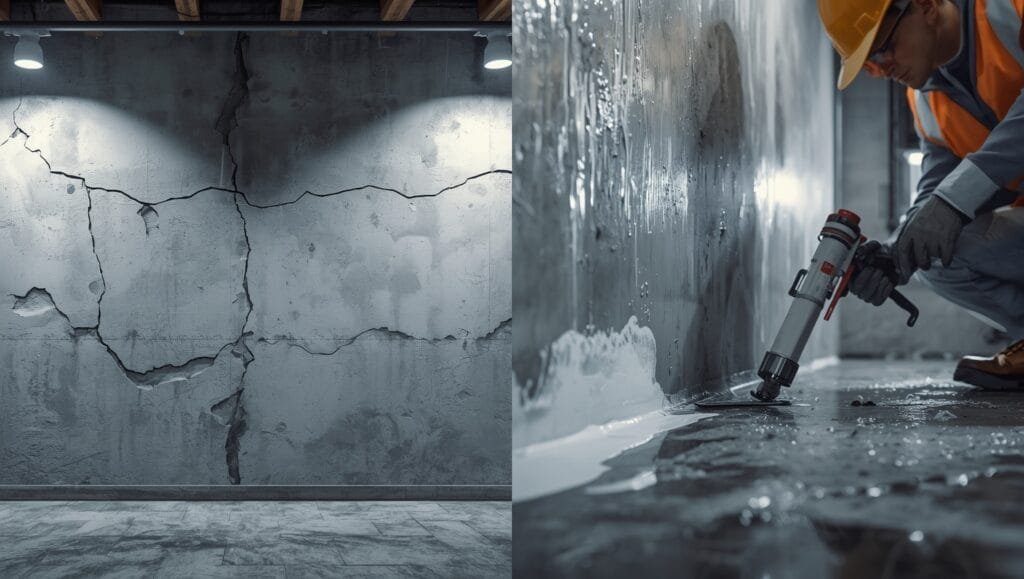
Even small cracks should be sealed. Not for looks—for function. Cracks are water highways. Seal them and you eliminate a major entry point.
Bottom line: Prevention systems cost thousands; water damage costs tens of thousands.
Why Mark Frillici and Healthy Spaces Get This Right
Mark didn’t start Healthy Spaces because he needed a side hustle. He started it because he was tired of watching homeowners get financially destroyed by preventable water damage and mold.
With nearly two decades in construction, Mark understands how water moves through a structure. He knows what builders cut corners on. He knows which fixes actually work and which ones are bandaids.
When you call Healthy Spaces, Mark personally oversees the assessment. He’s not sending some junior tech out to guess what’s wrong. He’s looking at your foundation, your grading, your drainage, your history of problems—and he’s building a real solution, not a temporary fix.
For homeowners in Rochester and surrounding areas dealing with water leaking into basement after heavy rain, Mark’s team has one job: make sure it never happens again.
Bottom line: Expert assessment beats guessing every single time.
Your Next Move
You’ve got two paths forward.
Path one: Wait for the next heavy rain, hope it doesn’t flood, and cross your fingers that the damage stays minimal. Statistically, you’ll be writing a check for $20,000-$40,000 within the next 5 years.
Path two: Get your basement assessed now. Find out what vulnerabilities exist. Fix them before water leaking into basement after heavy rain becomes your personal nightmare story.
Mark and his team have saved homes like yours for over 20 years. If you’re dealing with water or mold—or if you’re worried you might be—don’t wait. Contact Healthy Spaces Now and get help fast. A quick assessment costs nothing. Ignoring the problem costs everything.
Your Basement’s Silent Enemy: Why Water Leaking Into Basement After Heavy Rain Strikes When You Least Expect It
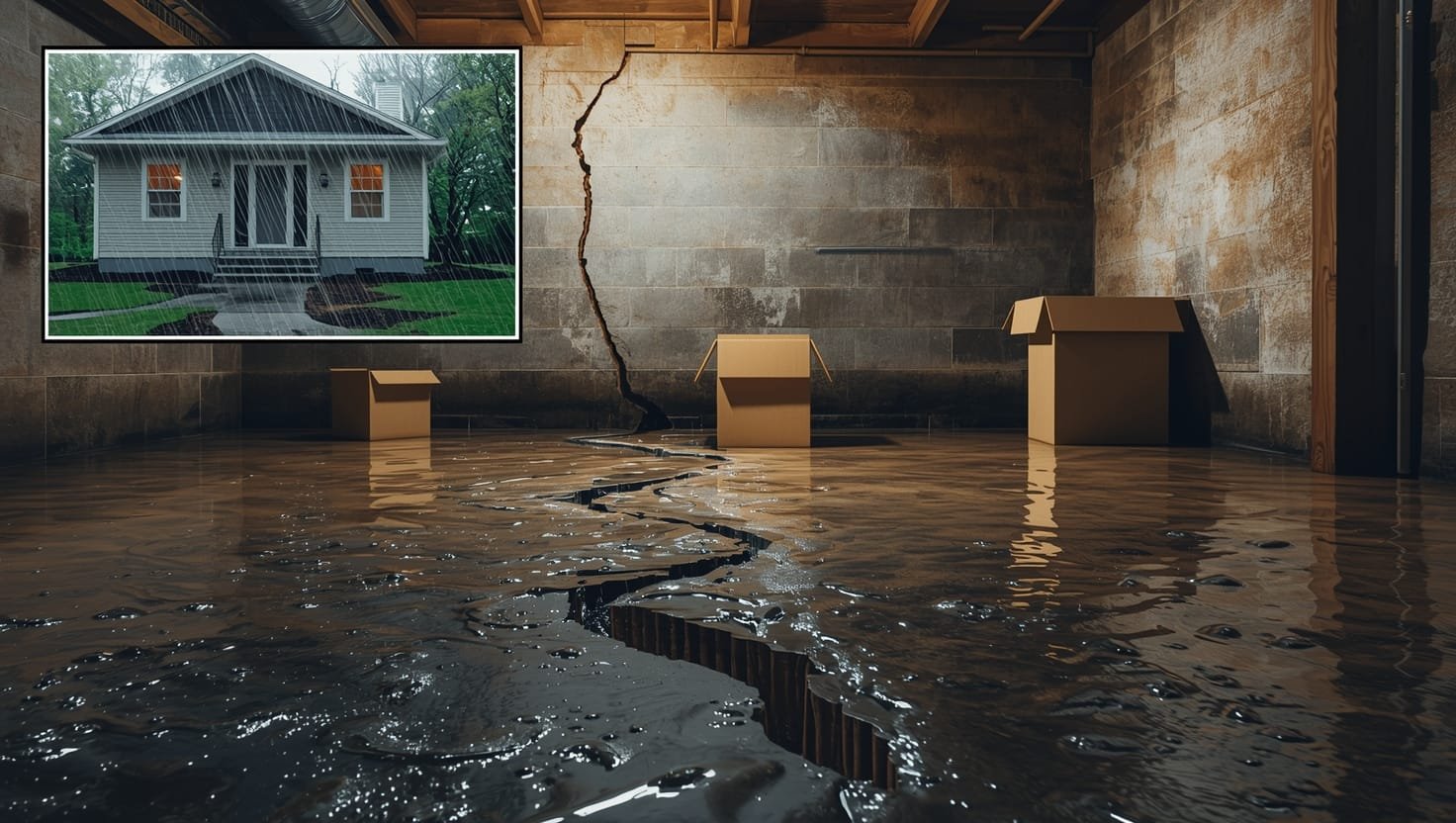
You think your basement is fine. No puddles last month. No musty smell. No visible cracks. Then a storm rolls through—the kind that dumps two inches in an hour—and suddenly you’re standing at the top of your stairs staring at water creeping across the concrete floor.
The worst part? This wasn’t random. Your basement’s been vulnerable for months, maybe years. You just didn’t know it until water showed up.
Water leaking into basement after heavy rain doesn’t happen because you’re unlucky. It happens because the systems protecting your foundation are either failing silently or were never installed right in the first place. And the thing about foundation vulnerabilities is they’re invisible until the moment they’re not.
The Groundwater Pressure Problem Nobody Sees Coming
Here’s what happens beneath your feet that you can’t see.
When heavy rain falls, water doesn’t just sit on top of your yard. It seeps down through soil layers and builds up pressure against your foundation walls. This is called hydrostatic pressure, and it’s relentless. The deeper the water table gets, the harder it pushes against your basement walls from the outside.
Your foundation walls are built to handle some of this. But if there’s even a hairline crack—and most foundations have them—that pressure forces water through like a needle through fabric. The crack doesn’t have to be big. It just has to exist.
One Rochester homeowner discovered this the hard way. After a particularly wet spring, water started seeping through a crack in the foundation wall that was barely visible to the naked eye. He assumed it was a one-time thing. By the time he called Healthy Spaces, that “minor seepage” had triggered mold growth inside the wall cavity. The crack wasn’t the problem. The ignored pressure was.
Bottom line: Hydrostatic pressure forces water through cracks you can’t even see.
Basement Windows: The Overlooked Weak Point
You’ve got basement windows. Most people do. And most people never think about them until water’s pouring through during a downpour.
Basement windows sit below grade—meaning they’re below the soil line. When heavy rain comes, water collects in the window wells and has nowhere to go but through the window frame. If the frame’s seal is compromised, if the caulk is cracked, or if the well itself doesn’t have proper drainage, you’re about to have a problem.
The fix is simple but overlooked: install window well covers and make sure water drains away from the wells, not into them. But how many homeowners actually do this? Almost none. They wait until water’s pouring in, then panic.
Mark’s seen this dozens of times. A homeowner calls about water in the basement, and when the team inspects, they find the window wells are basically small ponds collecting rainwater. The windows themselves are fine. The wells just need drainage. Cost to fix: $500-$1,500 per window. Cost of water damage from ignoring it: $10,000+.
Bottom line: Basement windows flood because window wells collect water instead of draining it.
Your Perimeter Drainage System (If You Have One)
Some homes have perimeter drainage systems installed around the foundation. If yours does, that system is literally the only thing standing between your basement and a flood.
A perimeter drain is a pipe that runs around the outside of your foundation, below the footing level. It collects water that seeps toward the foundation and directs it away—either to a storm drain, a sump pump, or daylight drainage. Sounds simple. And it is. Until it clogs.
Soil particles, roots, and sediment can clog perimeter drains over time. If your drainage system clogs, water can’t escape. It just builds up against your foundation walls until it finds a way in—usually through cracks or seams.
The problem is you can’t tell if your perimeter drain is working. You won’t know it’s clogged until water shows up in your basement. And by then, you’re already dealing with damage.
Bottom line: A clogged perimeter drain leaves your foundation defenseless against water pressure.
The Interior Waterproofing Trap
Some contractors sell interior waterproofing as a solution. It sounds good: install a sump pump inside your basement, and you’re protected.
But here’s the catch—interior waterproofing is a band-aid. You’re letting water get inside your basement and then removing it. That’s not prevention. That’s damage control.
Water that enters your basement means it’s already getting past your foundation. It’s already seeping through walls. It’s already creating moisture in spaces where it shouldn’t be. Even if a sump pump removes the standing water, that moisture is still there, still soaking into materials, still creating conditions for mold.
Real protection stops water before it enters. Exterior waterproofing seals your foundation from the outside, stops water at the source, and prevents the whole problem from starting.
Bottom line: Interior waterproofing removes water; exterior waterproofing prevents it from entering.
The Real Cost of Waiting: What Happens When Water Leaking Into Basement After Heavy Rain Goes Unaddressed
You’ve got water in your basement. It’s not a ton—maybe a few inches in one corner. Your first instinct is probably to grab a shop vac and clean it up yourself. Then you tell yourself it’s a one-time thing. The next storm will be different.
It won’t be.
Every time heavy rain comes, water will find its way back in—because the root cause is still there. And every time it does, the damage compounds.
The Mold Timeline You Need to Know
Mold’s a patient enemy. It doesn’t need much to thrive—just moisture, warmth, and organic material. Your basement has all three.
Mold spores start colonizing within 24-48 hours of moisture exposure. But here’s the thing—you won’t see it right away. Mold starts growing inside walls, under flooring, in insulation cavities. By the time you see visible mold, it’s been growing for weeks or months.
And mold’s not just ugly. It releases spores that you breathe in. Prolonged exposure causes respiratory issues, allergies, asthma aggravation, and in severe cases, chronic health problems. Kids and elderly people are especially vulnerable.
One family in Rochester ignored a damp basement for six months. They thought it was just moisture. When they finally got it inspected, black mold had colonized the entire rim joist and framing. The remediation took three weeks, cost $18,000, and the family had to move out while the work was done.
Bottom line: Mold grows invisibly; by the time you see it, health risks are real.
Structural Damage That Snowballs
Wood doesn’t like water. Concrete doesn’t like water. Drywall really doesn’t like water.
When water sits against your foundation, it starts breaking down the structural materials. Wood framing rots from the inside out. Concrete absorbs water and the minerals in that water crystallize inside the pores, causing spalling—where chunks of concrete flake off. Drywall loses its integrity and basically turns into mush.
The scary part is this happens slowly. You might not notice for months. Then one day you see a sagging floor joist. Or a wall that’s bowing inward. Or concrete that’s crumbling. And suddenly you’re looking at structural repairs that cost $15,000-$40,000.
One homeowner in the Rochester area had water leaking into basement after heavy rain for about a year. He thought it was manageable. When he finally called for an assessment, the structural engineer found that the main support beam had rotted through about 40% of its thickness. The repair required temporary support jacks, beam replacement, and foundation reinforcement. Total bill: $32,000.
Bottom line: Structural rot costs exponentially more to fix than water prevention.
The Property Value Collapse
Here’s what nobody likes to talk about: a wet basement is a deal-killer when you sell.
Buyers get inspections. Inspectors find water damage, mold, foundation cracks, or structural issues. And suddenly your home’s value drops 10-20%. Or worse, buyers walk away entirely and you can’t sell at any price.
You might’ve been fine ignoring a wet basement while you lived there. But when it comes time to move, that ignored problem becomes a nightmare. You’re either disclosing water damage (and killing the sale), or you’re not disclosing it (and opening yourself to lawsuits).
Bottom line: Water damage disclosure tanks property values faster than almost anything else.
The Inspection That Changes Everything
Most homeowners never get their basement professionally inspected. They assume no water equals no problem. But water leaking into basement after heavy rain often starts small—seepage that’s barely noticeable until it becomes a flood.
A professional inspection looks for things you can’t see. Hairline cracks. Efflorescence (white mineral deposits that mean water’s traveling through concrete). Soft spots in framing. Signs of past water intrusion. Mold growth in wall cavities. Foundation settling.
Mark personally oversees every inspection at Healthy Spaces. He’s not checking boxes on a form. He’s looking at your specific foundation, your yard’s grading, your drainage systems, and your history. Then he builds a solution based on what he actually finds—not what he assumes you need.
The inspection itself costs money. But it’s the cheapest insurance you can buy. One homeowner in Rochester paid $400 for an inspection and learned they had a perimeter drain that had completely clogged. Fixing it cost $2,200. Ignoring it would’ve cost $35,000+ in water damage within the next heavy rain cycle.
Bottom line: A professional inspection costs hundreds and prevents tens of thousands in damage.
What a Real Inspection Actually Covers
A thorough basement assessment includes checking your foundation walls for cracks and seepage. Inspecting window wells and frames. Testing your sump pump (if you have one). Evaluating yard grading. Assessing gutter and downspout conditions. Looking for signs of past water intrusion. Checking for mold growth. And evaluating any structural concerns.
The inspector should give you a written report with photos, severity ratings for each issue, and a clear plan for what needs to be fixed and in what order.
Most importantly, the inspector should tell you which problems are urgent and which ones can wait. Not everything requires immediate action. But some things do.
Bottom line: A real inspection tells you exactly what’s wrong and what to fix first.
FAQ: Water Leaking Into Basement After Heavy Rain
How fast does water damage happen in a basement?
Visible damage starts within 24-48 hours. Mold growth begins in that same window. Structural damage takes longer but compounds with every wet cycle. The faster you respond, the less damage accumulates.
Can I fix a wet basement myself?
You can remove standing water and dry things out, but you can’t identify or fix the root cause without professional expertise. DIY approaches typically fail because they don’t address why water got in. You need professional drainage and waterproofing solutions to solve the actual problem.
Is a wet basement covered by homeowners insurance?
Most standard homeowners policies don’t cover water damage from flooding or poor drainage. You’d need separate flood insurance. This is why prevention is so critical—insurance won’t save you from a wet basement.
How much does it cost to waterproof a basement?
Costs vary based on foundation size and damage severity. Exterior waterproofing typically ranges $4,000-$15,000. Interior systems are cheaper ($2,000-$5,000) but less effective. The investment pays for itself by preventing water damage that costs 5-10 times more.
What’s the difference between seepage and flooding?
Seepage is small amounts of water entering slowly. Flooding is sudden, large volumes of water. Both are problems. Seepage often goes ignored because it seems minor—until it triggers mold or structural damage. Flooding is obvious but causes immediate, visible damage.
How do I know if my foundation is failing?
Signs include widening cracks, bowing walls, water seepage, efflorescence, or visible mold. If you see any of these after water leaking into basement after heavy rain, call a professional immediately. Foundation repair becomes more expensive the longer you wait.
What to Do Next
If you’re seeing water in your basement—or if you’re worried you might after the next storm—don’t wait.
Call Healthy Spaces and get a professional assessment. Mark’s team will inspect your foundation, identify vulnerabilities, and build a real solution. Not a temporary fix. Not a band-aid. A permanent fix that keeps water out.
Mark and his team have been protecting Rochester homes for nearly 20 years. They’ve seen every type of basement water problem—and they know how to solve it.
Contact Healthy Spaces Now for a free assessment. Water leaking into basement after heavy rain is preventable. But only if you act before the next storm.
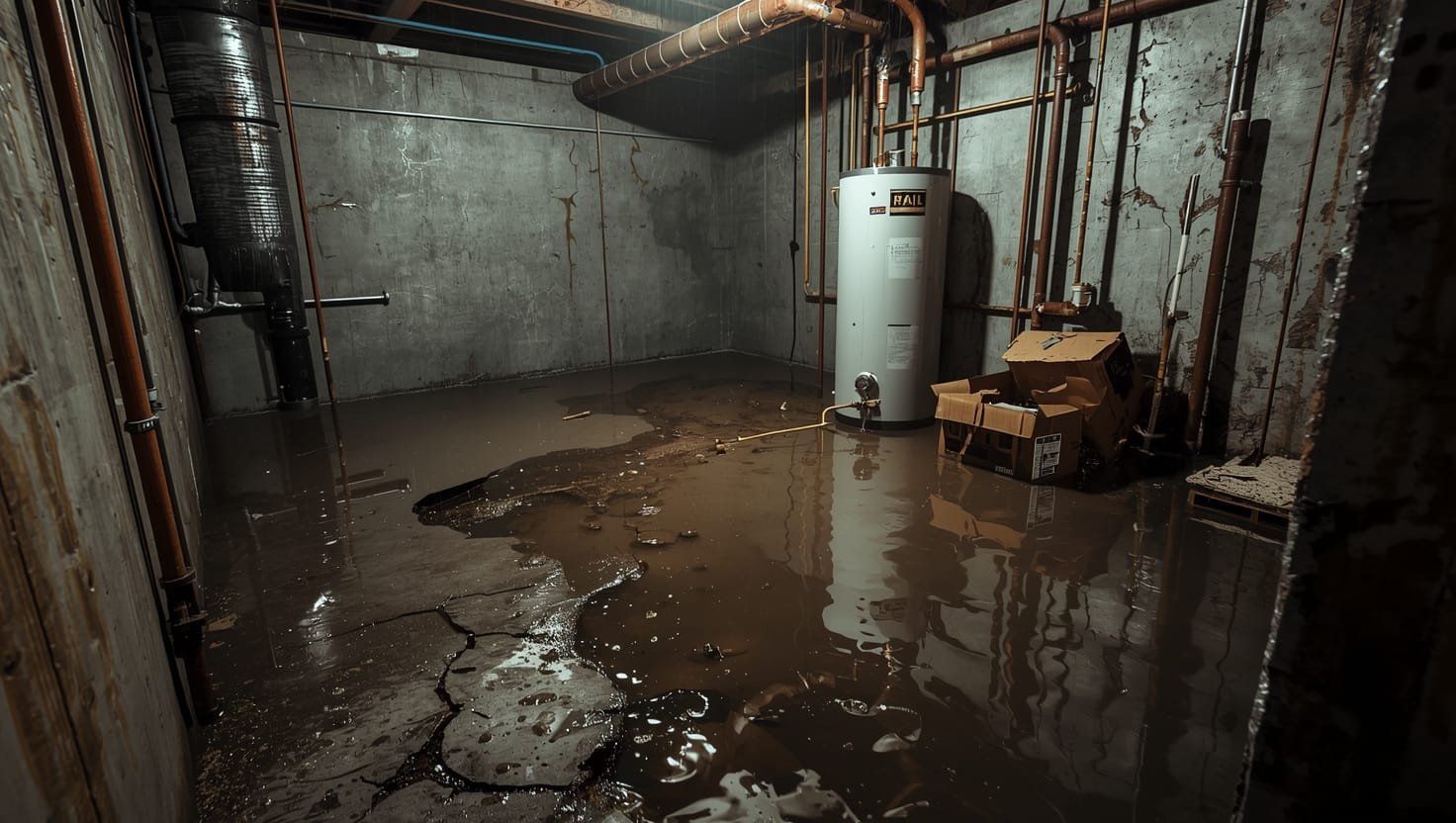
When Water Leaking Into Basement After Heavy Rain Becomes a Permanent Problem: The Cascading Costs Nobody Expects
You think the water’s gone because you dried everything out after the storm. The basement looks fine now. No smell. No visible damage. So you move on with your life.
But here’s what’s actually happening behind the scenes: moisture is still embedded in your foundation. Microfractures are widening. Your soil’s water table is still elevated. And the systems that failed once are still broken.
Water leaking into basement after heavy rain isn’t a one-time event—it’s a preview of what’s coming next time the sky opens up. The difference between a homeowner who acts after that first leak and one who ignores it? About $30,000.
The Hidden Costs That Sneak Up on You
Most people focus on the obvious water damage. The wet carpet. The ruined boxes. The drywall that needs replacing. Those are real costs, sure. But they’re only the tip of the iceberg.
There’s the cost of your insurance deductible—usually $1,000 to $2,500—that doesn’t even cover water damage from poor drainage or neglect. There’s the cost of increased insurance premiums after you file a claim. There’s the cost of energy loss when your insulation gets wet and stops working. There’s the cost of temporary cooling or heating when you can’t use your basement during repairs.
One Rochester homeowner we worked with had water seep into their basement three times over two years. Each time, they cleaned it up themselves. “It’s not that bad,” they said. By the time they called Healthy Spaces, they’d spent $8,000 out of pocket on cleanup, dehumidifiers, and temporary repairs. The permanent fix—exterior drainage system installation—cost $5,200. They could’ve paid once instead of three times plus the permanent solution.
Bottom line: Repeated water intrusions cost more cumulatively than one permanent fix.
The “Just This Once” Mentality That Destroys Homes
After water leaking into basement after heavy rain happens once, homeowners often convince themselves it won’t happen again. Maybe the gutters were clogged. Maybe that storm was unusually intense. Maybe it was just a fluke.
It’s not a fluke.
Water finds its way to your basement because there’s a path for it to take. That path doesn’t close after one storm—it opens wider. Every time water sits against your foundation, it applies pressure. Every time it seeps through a crack, that crack gets slightly larger. Every time you get lucky and the water doesn’t make it inside, you’re burning borrowed time.
The mentality shifts when homeowners understand this: the first leak is a warning. The second leak is confirmation. By the third leak, you’re looking at structural damage you can’t see.
Mark’s seen this pattern repeat dozens of times in Rochester. A homeowner has water once, cleans it up, and waits. Another storm hits six months later—worse this time. They panic and call for help. When Mark inspects, he finds that the first water intrusion already triggered mold growth inside the wall cavities. The second one accelerated the damage. Now they’re not just paying for waterproofing; they’re paying for mold remediation too.
Bottom line: Ignoring the first leak guarantees you’ll pay for the second one—and worse.
Why DIY Cleanup Fails Every Time
After water leaking into basement after heavy rain, your instinct is probably to grab a shop vac and handle it yourself. It feels manageable. You pull out the water, set up some fans, crack open a window, and call it done.
The problem? You’ve only removed the visible water. You haven’t addressed the moisture that’s wicked into concrete, drywall, insulation, and framing. You haven’t identified why the water got in. And you definitely haven’t fixed the root cause.
Concrete looks dry after a few hours of air circulation, but it’s still absorbing moisture from deeper down. Drywall can look fine on the surface while the back side grows mold colonies. Insulation loses its effectiveness long before it shows visible damage. Wood framing starts rotting from the inside out, and you won’t see it until it’s too late.
A homeowner in Rochester thought they’d handled a basement water issue after a spring thaw. They dried everything out, moved their stored items back, and considered it resolved. Eight months later, they noticed the basement smelled musty again. When they pulled back the drywall, they found black mold had completely colonized the rim joist behind where they’d stored boxes. The mold remediation took three weeks and cost $12,000. The waterproofing they should’ve done initially would’ve cost $4,500.
Professional water damage restoration uses industrial dehumidifiers, moisture meters, and thermal imaging to find water hiding in places you can’t see. It’s not overkill—it’s the only way to actually stop the problem from becoming permanent.
Bottom line: DIY cleanup removes water; professional restoration removes moisture and prevents mold.
The Seasonal Trap: Why Spring and Fall Are Danger Zones
Water leaking into basement after heavy rain happens year-round, but certain seasons are worse. Spring brings rapid snowmelt and heavy rains. Fall brings intense storms as weather systems collide. Winter’s freeze-thaw cycles crack foundations. Even summer downpours can overwhelm drainage systems.
But here’s what most homeowners don’t realize: the damage compounds seasonally. A leak in March creates moisture. By June, mold’s established. By August, wood’s starting to rot. By November, structural weakness shows up. By spring, you’ve got a full-blown problem.
Homes in Rochester experience all four seasons intensely. Spring snowmelt pushes tons of water into the soil. Summer thunderstorms dump inches in minutes. Fall’s wet weather keeps soil saturated. Winter’s freeze-thaw cycles widen foundation cracks. If your basement’s vulnerable, you’re getting hit from multiple angles throughout the year.
One homeowner we worked with had water seep in during heavy spring rains. They dried it out. Summer passed without incident, so they relaxed. Then fall came with steady rain for weeks. The cumulative moisture from spring plus new water from fall created conditions where mold exploded. They didn’t notice until October when the smell became unbearable.
Bottom line: Seasonal water intrusions compound; each cycle makes the next one worse.
The Resale Nightmare You’re Creating Right Now
If you’re planning to sell your home in the next five years—or even ten—water damage in your basement is actively destroying your property’s value right now.
Buyers get home inspections. Inspectors look for water stains, efflorescence, mold, foundation cracks, and signs of past water intrusion. They’ll find evidence of water leaking into basement after heavy rain even if it happened months ago. And when they do, they’ll either walk away or demand a massive price reduction.
You’re not just losing the money you would’ve spent on waterproofing. You’re losing equity. A $4,000 waterproofing investment prevents a $25,000 price reduction when you sell. That’s not a cost—that’s savings.
In Rochester’s real estate market, water damage disclosure is a deal-killer. Buyers have options. They’ll choose a dry basement over a questionable one every single time. And if you don’t disclose the history? You’re opening yourself to lawsuits after closing.
Bottom line: Water damage reduces home value more than almost any other issue.
The Health Angle You’re Ignoring
Water leaking into basement after heavy rain isn’t just about property damage. It’s about the air your family breathes.
Mold spores from a damp basement spread throughout your home’s ventilation system. Kids with asthma get worse. Adults develop chronic coughs. People with allergies can’t escape symptoms even inside. Elderly relatives with compromised immune systems face serious health risks.
And here’s the thing—you might not even notice the mold. It’s growing inside walls, under flooring, in insulation cavities. By the time you smell it or see it, it’s been colonizing for months. The longer it grows, the more spores are circulating through your home.
Mark founded Healthy Spaces specifically because he saw families dealing with health problems caused by water damage and mold they could’ve prevented. Respiratory issues, allergies, infections—all of it preventable with early intervention.
Bottom line: Mold from water damage harms your family’s health long-term.
The Quick Reality Check: Is Your Basement Actually Safe Right Now?
Forget about future storms for a second. Let’s talk about what might already be happening in your basement.
Have you noticed any of these?
Musty smells that show up after rain. Slightly damp concrete that never fully dries. Water stains on the walls. Cracks in the foundation. Efflorescence (white mineral deposits). Peeling paint. Discolored drywall. Any of these means water’s already getting in.
The fact that you haven’t seen standing water doesn’t mean your basement’s fine. Seepage—small amounts of water entering slowly—is actually more dangerous than flooding because it goes unnoticed while damage accumulates.
One homeowner in Rochester ignored a slight dampness in one corner of their basement for two years. “It’s not that bad,” they said. When they finally got it inspected, the entire rim joist was compromised. Wood that should’ve been solid was soft and crumbling. The repair cost $18,000 instead of the $3,500 waterproofing system that would’ve prevented it.
Bottom line: Seepage causes more damage than flooding because nobody notices it happening.
What Actually Needs to Happen Now
If you’re reading this and you’ve had water leaking into basement after heavy rain—or if you’re worried you will—you need three things to happen.
First, a professional assessment. Not a guess. Not a friend’s opinion. A trained expert who understands foundation systems, water pressure, drainage, and structural integrity. Someone who can tell you exactly what’s wrong and what needs to be fixed first.
Second, a clear action plan. Not “maybe waterproof sometime.” A specific plan that addresses your vulnerabilities in order of urgency. Foundation cracks that are actively seeping? That’s urgent. Poor grading that’s directing water toward your foundation? That’s next. Missing sump pump backup power? That can wait a bit but not forever.
Third, execution before the next storm. Not next year. Not next season. Before the next heavy rain cycle. Because every day you wait is another day your foundation’s under stress.
Mark’s team at Healthy Spaces handles this exact sequence for every homeowner. They inspect, identify, plan, and execute. No shortcuts. No guessing. Just results.
Bottom line: Assessment, plan, execution—in that order, before the next rain.
FAQ: Water Leaking Into Basement After Heavy Rain
What should I do immediately after I discover water in my basement?
Remove standing water first using a pump or wet-dry vacuum, then open windows and set up fans to start drying. Call a professional within 24 hours to assess whether this is a one-time issue or a systemic problem requiring permanent solutions.
Can I just seal the cracks myself and call it fixed?
Temporary sealants might slow seepage but won’t stop water under pressure from entering. Professional foundation repair addresses the root cause—not just the visible crack.
Does homeowners insurance cover water damage from basement leaks?
Most standard policies don’t cover water damage from poor drainage, neglect, or foundation issues. You’d need separate flood insurance, which is why prevention is critical.
How long does basement waterproofing actually last?
Quality exterior waterproofing systems last 25+ years when properly installed. Interior systems need more frequent maintenance but are less permanent solutions.
What’s the cheapest way to stop water leaking into basement after heavy rain?
Fixing drainage issues—extending downspouts, improving grading, clearing gutters—costs $500-$2,000 and prevents many problems. But if you have foundation cracks or structural issues, those need proper waterproofing solutions that cost more but actually work.
How do I know if mold is already growing in my walls?
Musty odors, visible discoloration, or respiratory symptoms after being in the basement are red flags. A professional mold inspection can identify hidden growth before it becomes a health hazard.
Stop Waiting for the Next Storm
Water leaking into basement after heavy rain is preventable. But only if you act before it happens.
Mark and his team at Healthy Spaces have spent nearly 20 years protecting Rochester homes from water damage. They’ve seen the patterns. They know what works. They understand exactly what needs to happen to keep your basement dry and your family safe.
If you’ve had water in your basement, or if you’re worried about the next storm, don’t wait. Contact Healthy Spaces Now for a professional assessment. Mark will personally review your situation and build a real solution—not a band-aid, not a guess. A permanent fix that actually works.
The cost of prevention is a fraction of the cost of damage. And the peace of mind? Priceless.